GTA 6 crash physics are drawing Just Cause 2 comparisons — and the debate is getting technical
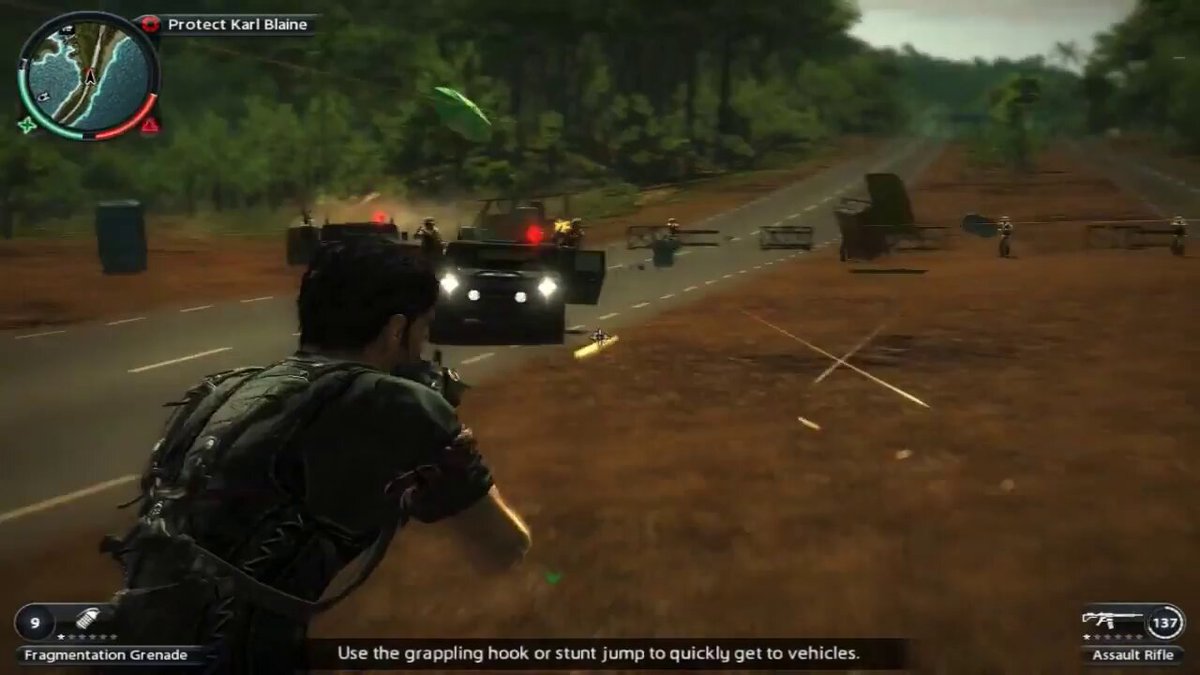
A debate is heating up in the GTA 6 community over vehicle crash physics: high-speed rollovers and tire blowouts are being compared to the exaggerated chaos of Just Cause 2. Fans are split between admiring the cinematic results and worrying about balance — and whether armored tires will protect players' cars from the same violent outcomes.
A physics debate is raging in the community
Yes — the GTA 6 community is genuinely comparing the game's crash physics to Just Cause 2, and the discussion has turned into one of the more technical arguments of the preview season. As GameGPU reports, players who have studied the recent footage are focused on one thing above all: the way vehicles behave during accidents, particularly the dynamics of high-speed rollovers (GameGPU).
The comparison is not a casual one. Just Cause 2, Avalanche's 2010 sandbox, built its reputation on physics-led chaos — cars, bikes and helicopters that flew, tumbled and folded in ways that made every chase look like a stunt reel. Seeing GTA 6 evoke that game is the community's way of saying Rockstar's crashes look spectacular, dramatic and a little unpredictable.
The moment that started it: a blowout at speed
The detail that keeps coming up in the discussion is a tire puncture mid-drive. According to the fans dissecting the footage, a blowout at speed produces a sudden understeer followed by a series of aggressive rolls — the kind of sequence that ends with a vehicle on its roof rather than a gentle spin to a halt (GameGPU).
It is the sort of moment that reads as both a feature and a warning. Many players note that this implementation adds a cinematic quality to chases, the crashes feeling closer to the spectacular stunts of previous Rockstar games than to the physics-lite collisions of the last generation. Others, though, immediately started doing the math on how often they are likely to end up upside down.
Two schools of thought on how it works
The technical side of the argument is where the debate gets interesting. GameGPU describes two camps forming within the community over how Rockstar achieves these rollovers (GameGPU).
The first camp suspects pre-programmed animations for critical wheel damage — set pieces triggered when a tire is destroyed, guaranteeing a readable, cinematic result every time. The second camp insists the behavior comes from accurate calculations of suspension, road grip and collision angle, with the physics engine doing the work in real time. The two theories imply very different things for gameplay: animation-driven crashes are predictable and can be tuned mission by mission, while simulation-driven ones are emergent and can surprise both the player and the developer.
The balance question nobody can answer yet
Underneath the physics talk sits a practical worry: how will this feel across dozens of hours of chases and getaways? Users in the discussion expressed hope that the final version of the game delivers a well-balanced new system, and specifically raised the question of armored tires (GameGPU).
If a patrol car can be sent into a fatal rollover by a well-placed shot to a tire, players want to know whether their own personal vehicles will be protected from the same instant loss of control — or whether an expensive ride can be written off in a single bad moment. Rockstar has not commented on the debate, and with the launch still more than two months away, the only honest answer is that the balance of the system will not be known until November 19.
What this tells us about GTA 6's driving
The discussion is consistent with what has already been reported about GTA 6's vehicle overhaul: punctured tires that cause loss of control, rollovers with real consequences, and a damage model that is anything but cosmetic. Earlier preview coverage also described the driving model as a blend of GTA IV's weight and physics with GTA V's accessibility — a mix that would explain why crashes now look like physics and not like choreography.
Whether the Just Cause 2 comparison flatters Rockstar or simply describes the new level of chaos, it is a sign of how much attention every frame of driving footage is receiving in the run-up to release. Two months before launch, the community is no longer just asking what the game looks like — it is debating how its physics engine actually works.