Rockstar hack suspect arrested: what the ShinyHunters case proves, and what it doesn't
Dutch police arrested a 24-year-old Amsterdam man on 15 September 2026 over his suspected role in ShinyHunters, the group that claimed 78.6 million records from Rockstar Games' Snowflake account in April 2026 (Reuters). A Rotterdam court ordered him held for 90 more days, and he is separately suspected of attempting to solicit two murders, which police say is a different case. ShinyHunters denies
What was announced
Dutch police said on 29 September 2026 that they arrested a 24-year-old man from Amsterdam on 15 September on suspicion of "playing a role in the hacker group ShinyHunters" — the extortion crew that breached Rockstar Games in April 2026. A court in Rotterdam ordered the suspect held for a further 90 days, and detectives who seized his data storage devices said they did not rule out more arrests (Dutch police, via AP) — the first time Dutch authorities have named a suspect in the group.
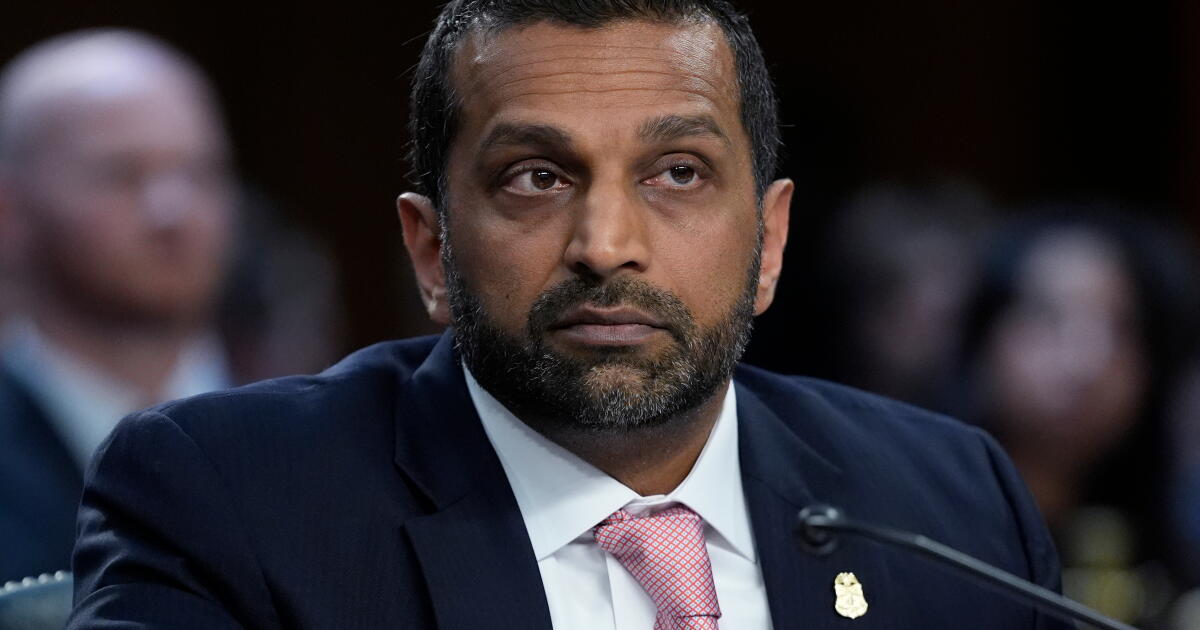
The public framing went further than the Dutch statement. FBI Director Kash Patel wrote on X that the arrest was "of one of the alleged leaders of ShinyHunters", carried out by the Dutch High-Tech Crime Unit "in coordination with FBI investigators" under Dutch law (AP, 29 September 2026). The Dutch statement did not mention the FBI hack or coordination with US law enforcement.
Why it lands on a GTA site
ShinyHunters is the group that hit Rockstar's cloud data this spring. The group posted its "Pay or leak" ultimatum on its leak site on Saturday 11 April 2026, saying Rockstar's Snowflake instances had been "compromised thanks to Anodot.com" (Reuters, 13 April 2026; The Guardian published the wording the same week). Rockstar did not pay, and the group published more than 78.6 million records on 14 April, a day before the deadline it had set (TechRadar, 14 April 2026). It remains the most sensitive commercial incident of the GTA VI build-up, and it never touched the game itself.
The mechanism matters: ShinyHunters did not break into Rockstar's own network. A representative told Reuters on 13 April 2026 that the group held 78.6 million records from Rockstar's Snowflake account, reached through a compromise at Anodot, an Israeli cloud-cost analytics vendor that used authentication tokens to read customer data stores. Snowflake told Reuters the incident was "not a compromise of Snowflake's platform or environment, but rather a result of a compromise of Anodot".
What was actually in those records
The leaked dataset was business telemetry, not game material. ShinyHunters described it to BleepingComputer as "internal analytics used to monitor Rockstar's online services and support tickets", including game-economy data for GTA Online and Red Dead Online — daily and weekly earnings, in-game revenue and purchase metrics, player behaviour tracking — plus customer support analytics from the company's Zendesk instance (BleepingComputer, via Reuters and TechRadar). Rockstar's own statement was delivered in April and has not been revised since: "a limited amount of non-material company information was accessed in connection with a third-party data breach. This incident has no impact on our organization or our players."
One precision that gets lost in repetition: 78.6 million records, not files or documents — the count ShinyHunters gave Reuters, describing a multi-source analytics archive rather than one stolen trove. Analyses published in the days after the leak found no player credentials and no game source code in the material.
Three leak affairs, not one
Here is where most coverage of the arrest blurs: there are three distinct GTA leak affairs in four years, and only one involves the group named on 29 September.
The first was September 2022, when the Lapsus$ group published around 90 clips and screenshots of an early GTA 6 build; Arion Kurtaj, the teenager behind that leak, was given an indefinite hospital order in December 2023 (BBC, The Guardian). The second is the April 2026 ShinyHunters extortion: 78.6 million business records, no gameplay. The third is the summer 2026 "Cyberleek" drip-feed of gameplay footage — a separate persona that Take-Two has spent September subpoenaing Google, X, Discord and Microsoft to unmask. Only the second of the three involves the group whose suspect was named on 29 September.
What is established, and what is not
Established: the arrest, the date (15 September), the suspicion of a role in ShinyHunters, and the separate suspicion of attempted solicitation of two murders, which police say stems from information found on the suspect's laptop and "is not related to the investigation into ShinyHunters" (AP). Dutch reporting identifies him as Pepijn van der S., convicted in 2023 of hacking corporate information systems, blackmail, extortion and money laundering and sentenced to three years, and employed until his arrest as offensive security lead at the Amsterdam firm Neo Security — a hiring the company itself confirmed to Reuters. Its founder told NL Times: "Absolutely everybody I talked to is flabbergasted."
Not established: that he had any hand in the Rockstar intrusion. No charge has been announced linking him to Rockstar, and the group attributed that breach to itself in April without naming individuals. ShinyHunters flatly denies he is one of its own: "That individual has no association with us. Frankly, we are laughing," the group told The Hacker News. He is a suspect, held in full restrictions, not a convicted party in this case.
The group's scale
The numbers around ShinyHunters explain why the arrest was announced at FBI level. Brett Leatherman, the bureau's assistant director in charge of the cyber division, said the group had allegedly breached more than 140 organizations and taken at least $70 million in extortion payments since the previous year, typically by targeting third-party vendors used by cloud platforms (NL Times). Named victims include the Dutch telecom Odido, where data on more than 6 million customers was taken in February 2026, and the FBI's own jobs portal, claimed on 22 September 2026; Reuters reported on 25 September that the data allegedly includes psychiatric and medical evaluation records of bureau personnel.
Why it matters before 19 November
Nothing here changes GTA VI's date: the game still ships on 19 November 2026 for PS5 and Xbox Series X|S, and Rockstar has published nothing about the affair since its April statement — this is a Dutch police matter, not a studio announcement. What the case confirms is that this launch's leak era is not one story with one culprit.