Ocarina of Time remake runs 1080p/60 FPS on Switch 2 — Digital Foundry, and the GTA 6 comparison that comes with it
Digital Foundry's analysis of the Ocarina of Time remake finds native 1080p and a steady 60 FPS on Switch 2 in docked mode, with menus at 1440p. The team laments the absence of DLSS: the image looks oversharpened, Link is overly shiny in close-ups and foliage shimmers in open areas. GTA VI, out November 19, targets a locked 30 FPS on PS5 and Xbox Series X|S. The Zelda remake launches November 5.
The short answer
Digital Foundry has taken its first technical look at the Ocarina of Time remake, and the numbers are clear: on Nintendo Switch 2, the game renders at a native 1080p and holds 60 frames per second in docked mode, with menu screens reaching 1440p (Notebookcheck; My Nintendo News). It is early analysis — the team worked from Nintendo Direct footage rather than a retail build — but it is the first measured performance data for a game that lands on November 5, 2026, exactly two weeks before GTA VI.
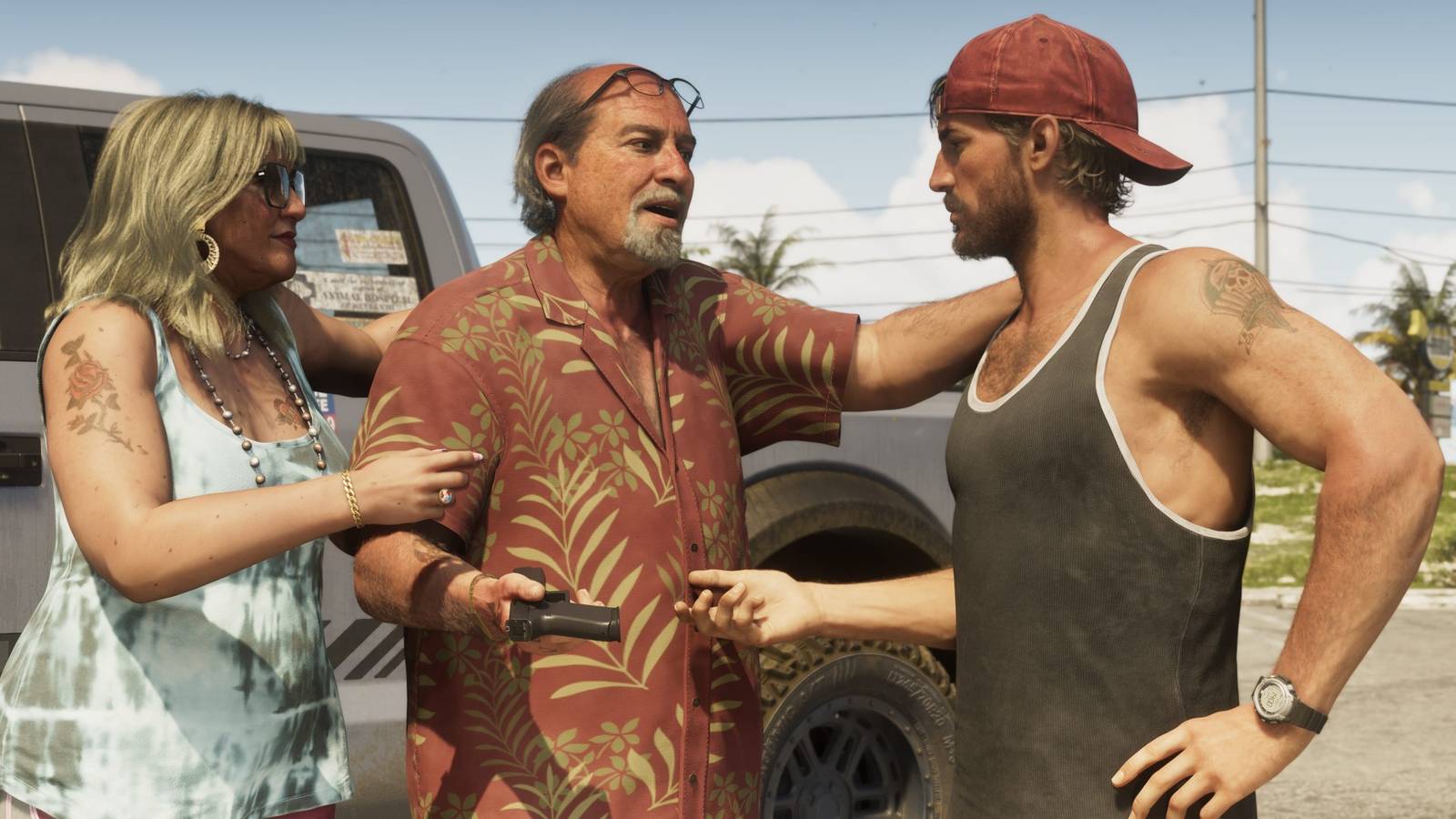
That timing is what turns a Zelda technical breakdown into a GTA story. Rockstar's game targets a locked 30 FPS on PS5 and Xbox Series X|S at launch. Nintendo's remake, on hardware a fraction as powerful, is running at double that.
What Digital Foundry found
The headline findings are straightforward. Docked gameplay runs at native 1080p with a steady 60 FPS, and only the menus push higher, at 1440p. Whether the handheld mode can keep that frame rate is still an open question, and Digital Foundry wants more footage before answering it (Notebookcheck). The analysis itself is currently published through the channel's supporters feed.
The team is impressed, but not unconditionally. Digital Foundry's Oliver Mackenzie attributes the visuals to an in-house solution or a partner's engine rather than Unreal Engine 5 — a theory that spread after viewers spotted UE5-like traits in the trailer. Monolith Soft, which assisted on Tears of the Kingdom, is the name most often cited as the likely partner (Notebookcheck; My Nintendo News).
The DLSS question
The criticism is specific: the remake does not use DLSS, Nvidia's image reconstruction technology, which the Switch 2's custom hardware supports natively. Digital Foundry argues the upscaler "would make a substantial difference" here, and its complaints are about image quality rather than frame rate — graphics that look oversharpened at 1080p, a Link who appears overly shiny in close-ups, and shimmering foliage across Hyrule's open areas (Notebookcheck; NoSmokeSport).
It is a recurring theme: Digital Foundry says it laments "the lack of DLSS in first-party Switch 2 games" (Notebookcheck).
The first 60 FPS 3D Zelda on Nintendo hardware
The frame rate is the real headline. Breath of the Wild and Tears of the Kingdom were both locked to 30 FPS on Switch, and Nintendo's 3D Zelda line has never been built around high refresh rates. A locked 60 FPS changes what the game feels like rather than how it looks: more responsive movement, tighter dodge and parry timing, a camera that keeps up during boss fights (La Crème du Gaming).
Why the GTA 6 comparison keeps coming back
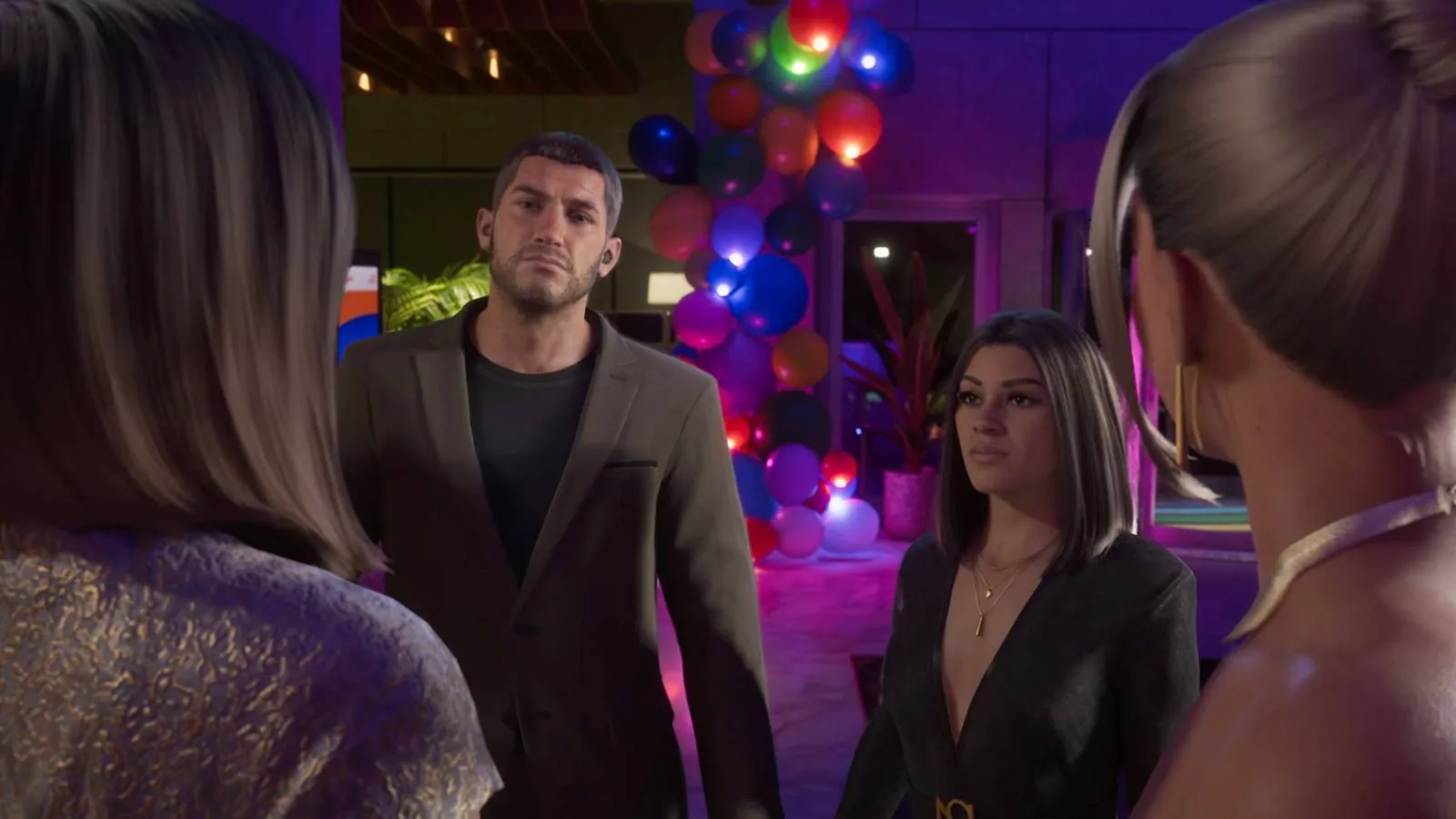
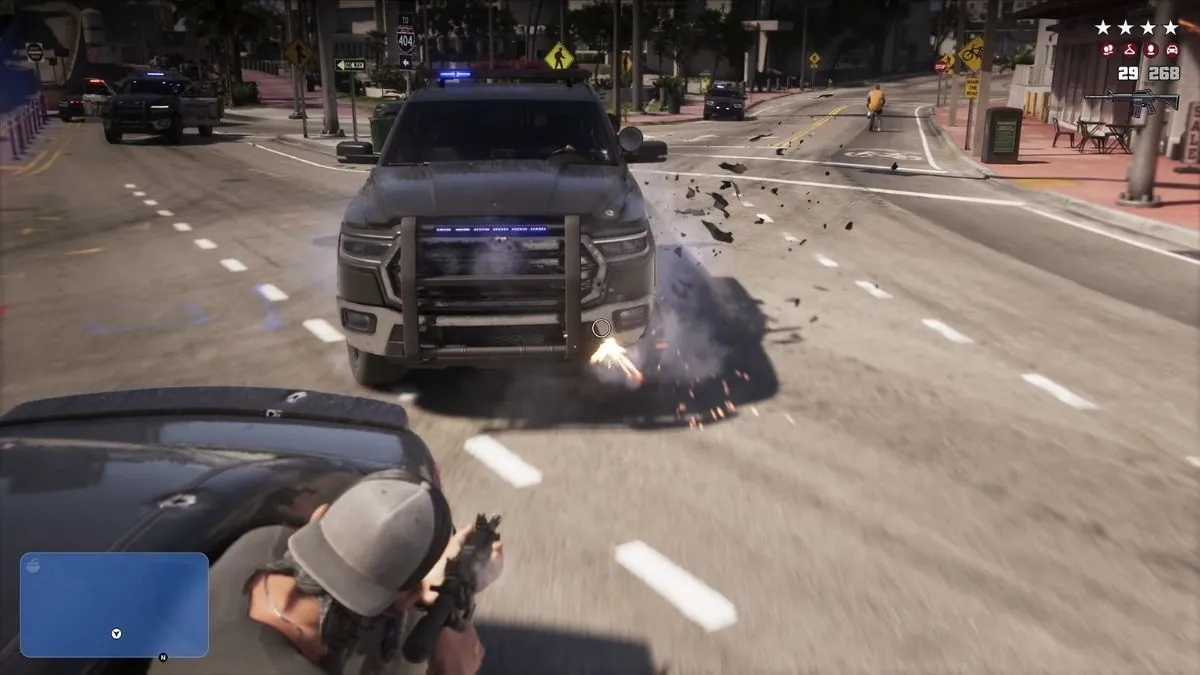
Rockstar has already confirmed the target for its own November release: a locked 30 FPS on PS5 and Xbox Series X|S at launch, with dynamic 4K and, at best, a 40 FPS mode on PS5 Pro limited to VRR-compatible televisions. The trade-off is simulation — crowds, traffic and detailed physics in a much denser open world are exactly what makes 60 FPS hard to reach (La Crème du Gaming).
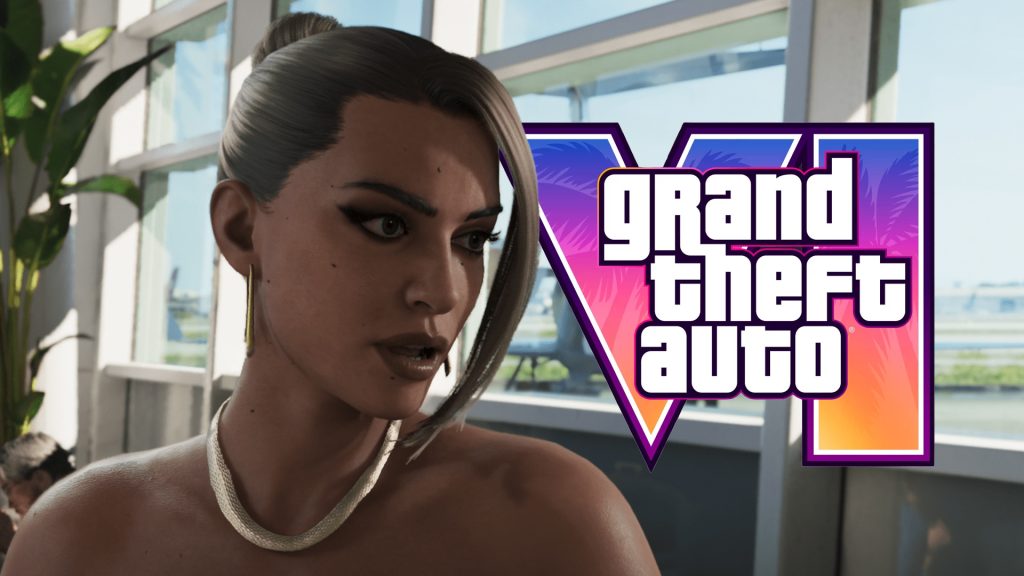
Read honestly, this is not a verdict on quality. Digital Foundry described GTA VI's Extended Look as "perhaps the most impressive showcase we've ever seen in real-time rendering", and it also documented a camera judder that a 60 FPS mode would not fix. What the two numbers describe is a difference of priority: Nintendo chose smoothness at a modest resolution, Rockstar chose scale at half the frame rate.
Two Novembers, two platforms
The two games are not really fighting. The Ocarina of Time remake is exclusive to Switch 2 and arrives on November 5; GTA VI lands on November 19 on PlayStation and Xbox. Nintendo also recently added VRR support in docked mode, which should keep the 60 FPS presentation stable if it ever wavers (La Crème du Gaming).
One last contrast worth noting, and it is not about frame rates at all: a physical release. Unlike GTA VI's boxed edition, which ships as a download code with no disc inside, the Zelda remake gets a full physical version (TheGamer).