The anti-woke backlash against GTA 6: why the culture war can't stop Lucia and Jason
WIRED's Miles Klee documents how the American anti-woke movement has targeted GTA VI over its female lead, its diverse Miami setting and Jason and Lucia's relationship — often with nothing more than a Netflix trailer clip as evidence. Even some figures on the right, including Nick Fuentes, are refusing to join in. With 5.28 million preorders and more than $500m already booked, the campaign has no
The short answer
There is no evidence that Grand Theft Auto VI is a political manifesto, and the campaign being waged against it does not look like it will change a single sale. What WIRED is describing is a much more familiar phenomenon: a culture-war reflex that fires before the game is even out — and that, this time, has picked a target far too popular to hurt.
For 13 years, critics of the franchise attacked it from the right on grounds of violence, sex and criminality. In a lengthy analysis published on September 12, WIRED's Miles Klee points out that the argument has quietly flipped: instead of worrying that children will grow up to be car thieves, part of the American right now worries that they will grow up "woke" (WIRED).
The evidence is a trailer clip
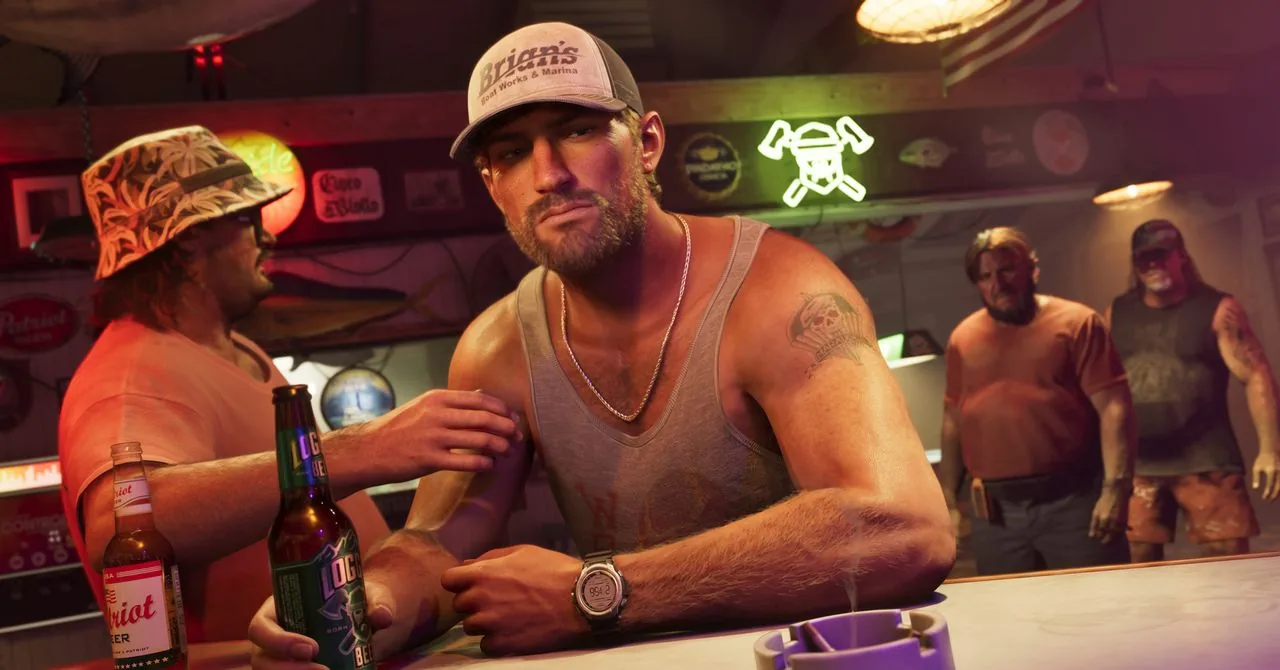
Rockstar has said it wants to portray its Miami-inspired setting — Leonida — with the diversity the real city has, and to put a fully written woman in the lead for the first time in the series. A 27-minute Extended Look on Netflix and a run of leaks have shown what that looks like in practice: Lucia Caminos and Jason Duval, a couple whose relationship the player can nurture.
That is enough for the backlash. WIRED cites an X account complaining GTA 6 is "a humiliation ritual for all male gamers" over a scene in which Lucia asks Jason to pick her outfit. Another user concluded that Jason has a "gay vibe" because he knows what sequins are and says the word "cocktails". A YouTuber declared that showing Jason shirtless means "gone are the days of edgy based masculine GTA games" and called it a "woke fest". One user even claimed the game will subliminally brainwash players with "bisexual lighting" (WIRED).
The complaints get cruder from there — Lucia's body, the women working at Rockstar's Scottish studio in a 2019 International Women's Day photo recirculated with sneering captions, an AI-generated edit that swapped a woman of colour on the cover for a white blonde in a bikini (WIRED).
A grievance with history
WIRED traces the timeline: in 2022, the GTA V remaster removed gags and characters critics had called transphobic, drawing complaints; in 2023, after the first GTA VI trailer, trolls claimed without evidence that Lucia was a transgender woman; last month, former executive Mark Kern said he found Lucia attractive and his followers answered with racist and misogynistic replies (WIRED).
Even the right isn't all in
What the piece makes clear is that the backlash has no front line. Streamer Zack Hoyt, better known as Asmongold, and white nationalist Nick Fuentes have both taken a wait-and-see position — Fuentes told a viewer raising the subject to "just go outside, touch grass" (WIRED).
And the commercial argument collapses on contact with the numbers. WIRED cites an estimate of 5.28 million preorders, worth more than $500m in revenue, for a game whose budget sits somewhere above a billion dollars — a cost the studio may recoup by launch day.
Why this controversy is different
The franchise has survived every moral panic since 1997: the Jack Thompson years, the 2005 "Hot Coffee" scandal, the 2013 launch of GTA V. Each time, the argument was about what the game lets players do. This time it is about who the game is for — and, as WIRED notes, about very little that anyone has actually seen. Where previous fights had elected officials and parent groups behind them, this one lives largely on X and YouTube, against a game that has already sold millions of copies.
Vice City may be fictional, but the audience is not. Whether the anger fades or not, both the marketing and the first-week numbers will be settled long before any argument about sequins.


