Was the GTA 6 Extended Look a show of Rockstar's confidence or hubris?
Polygon's Oli Welsh reads the Extended Look rollout as a statement: Rockstar put its biggest gameplay reveal on Netflix, where the video simply looks better than on YouTube — and asked players to trust the game, not the marketing. His verdict: confidence and hubris, both — or, more precisely, pride.
A reading of the rollout
A week after the Netflix premiere, Polygon's Oli Welsh has published one of the most sharply argued readings of Rockstar's strategy yet — under a deliberately provocative question: was the Extended Look a show of confidence or hubris? His answer is both, and neither: what the rollout really expresses, he concludes, is pride (Polygon).
The encoding angle
Welsh's starting point is more technical than the usual marketing analysis. He suspects the reason Rockstar chose Netflix as the launch platform was, at least in part, "much simpler and more boring than we all expected": video encoding. Comparing the Extended Look side by side, he finds the Netflix version visibly superior to YouTube's — deeper blacks, punchier colors, cleaner lines, less artefacting, better-resolved details. "Netflix is definitely one of the better platforms: not far off Apple, and way ahead of Prime Video and YouTube," he writes. For a studio that cares deeply about how its games are presented, a more flattering shop window may have been the point (Polygon).
That does not make the timed exclusivity window any less arrogant, Welsh concedes — it absolutely is. But the framing matters: Rockstar gave the biggest game in the world its gameplay debut on the platform that is arguably the world's number-one way to watch movies. The studio has always drawn on cinematic language — from The Warriors to the Friedkin and Eastwood references that shaped its tone — and the Extended Look is comfortable sitting next to Netflix's movie catalog, where its visual richness "outclasses a lot of it" (Polygon).
Trusting the player
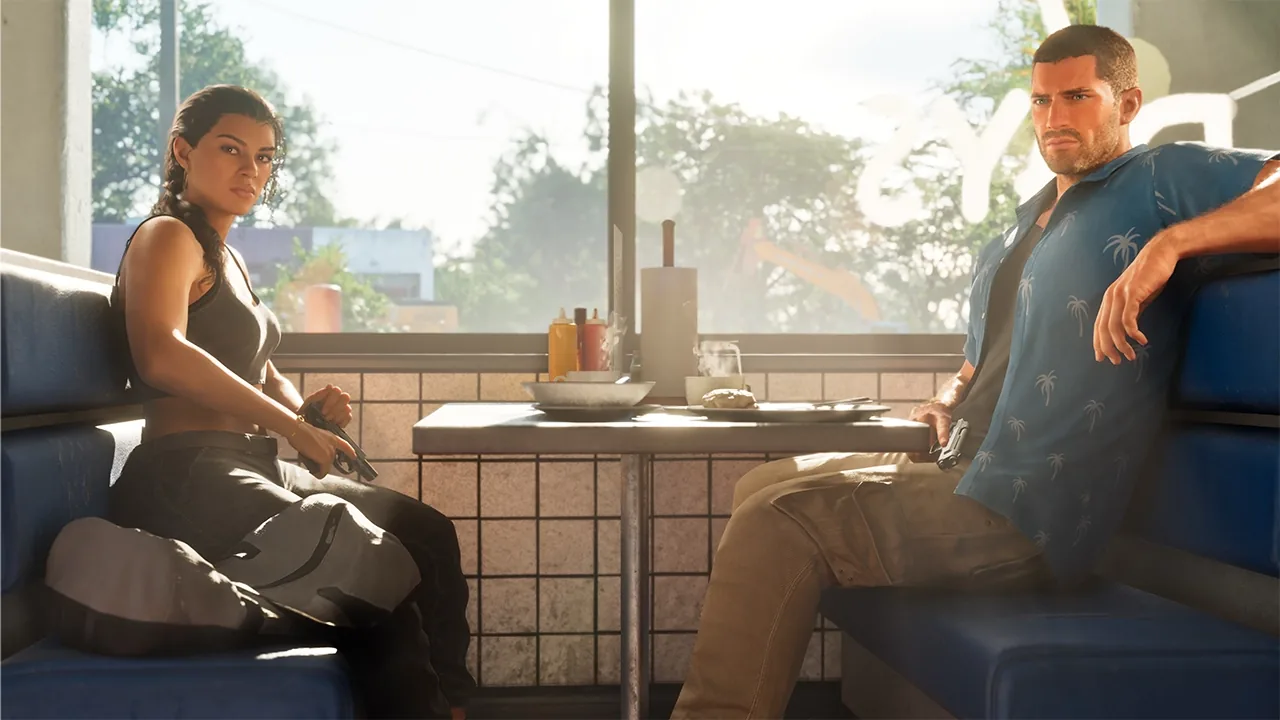
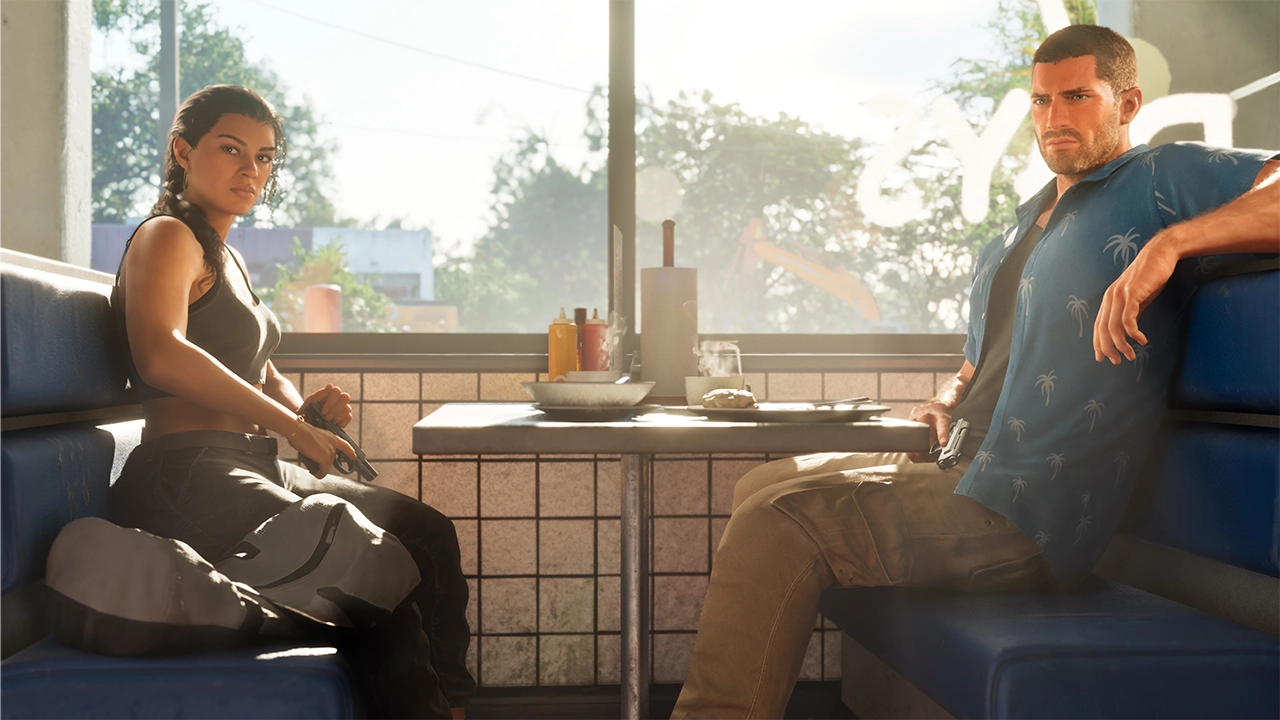
The most interesting part of the analysis is what the footage itself reveals. GTA 6's presentation has no narrator walking viewers through systems, no signposted explanations: gameplay, cutscenes and montage are cross-cut in a deliberately scrambled, asynchronous rhythm, and the player is trusted to follow along. "That's how storytelling in video games works!" Welsh writes — a claim that Rockstar, by showing rather than telling, is making a quiet case for the medium's own language rather than aping cinema (Polygon).
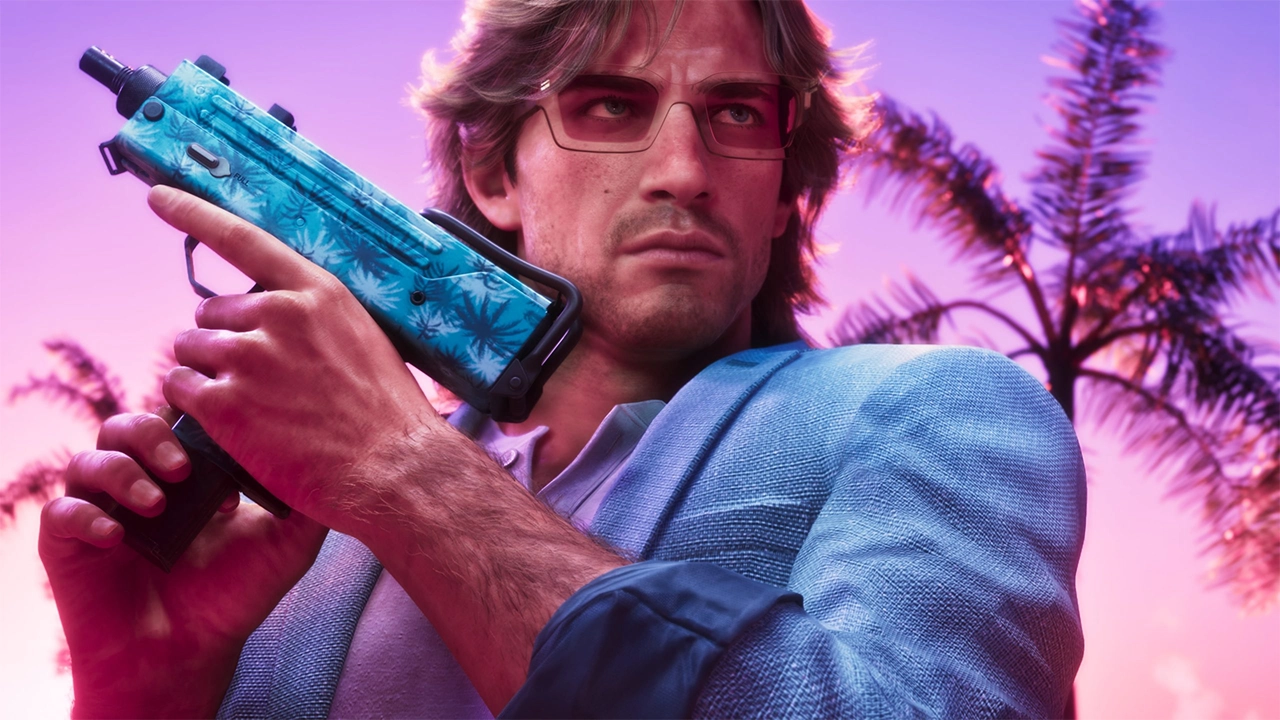
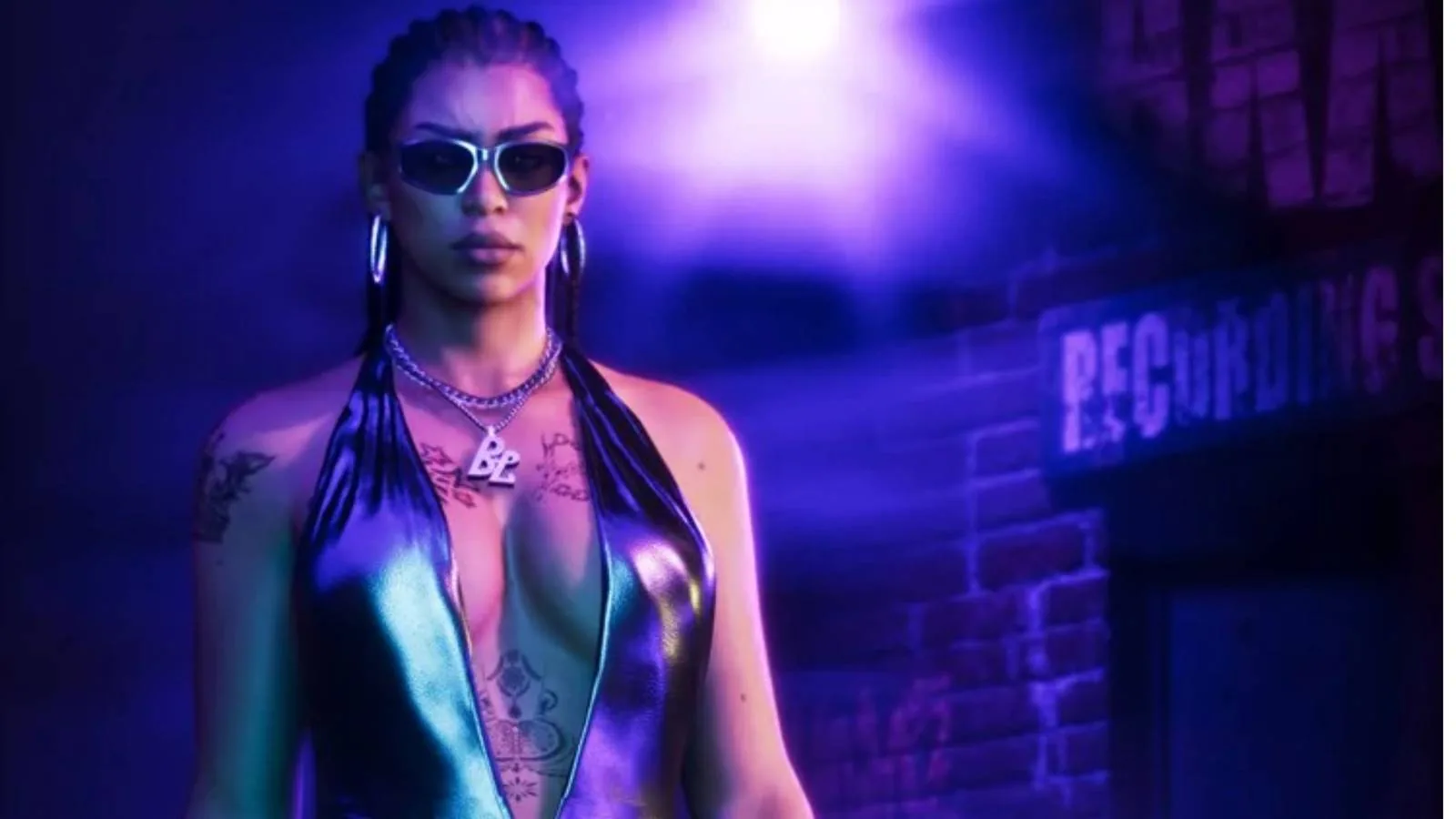
The game, he notes, looks at once utterly spectacular and quite ordinary: it is still a GTA — you steal cars, shoot people, meet disreputable characters. Rockstar is not trying to redefine the biggest franchise in the world. What it does seem to be doing, through the way the Extended Look was made and released, is placing GTA in a new context: scarcity (the first new entry in 13 years), the engineering of a moment, and a presentation that momentarily lifts the game out of the video game world — without disavowing it.
Verdict: pride
So is it confidence or hubris? "Both, probably," Welsh concludes — "though I might call it something else: pride." The distinction is the point: the rollout is not merely arrogant, nor merely self-assured, but the expression of a studio that believes its work deserves the biggest canvas available, and is willing to bet a record-breaking marketing campaign on that belief (Polygon).
The records support the read: more than 3.97 million concurrent co-stream viewers on August 27 made it the biggest gaming broadcast of 2026 (Eurogamer), and the video hit #1 on Netflix. Whether the bet pays off beyond the reveal will be decided on November 19, when the game launches on PS5 and Xbox Series X|S — but as a statement of intent, the Extended Look has already been widely read, and Polygon's is one of the most thoughtful interpretations so far.
Why it matters
For players waiting for GTA VI, this analysis changes little about the game itself but a lot about how to read Rockstar's communication. It suggests the Extended Look was not simply a marketing flex but a deliberate choice about where and how the footage would be seen, with Netflix offering a better-looking presentation than YouTube. That matters because it reframes the rollout as a statement about craft and presentation rather than pure hype.
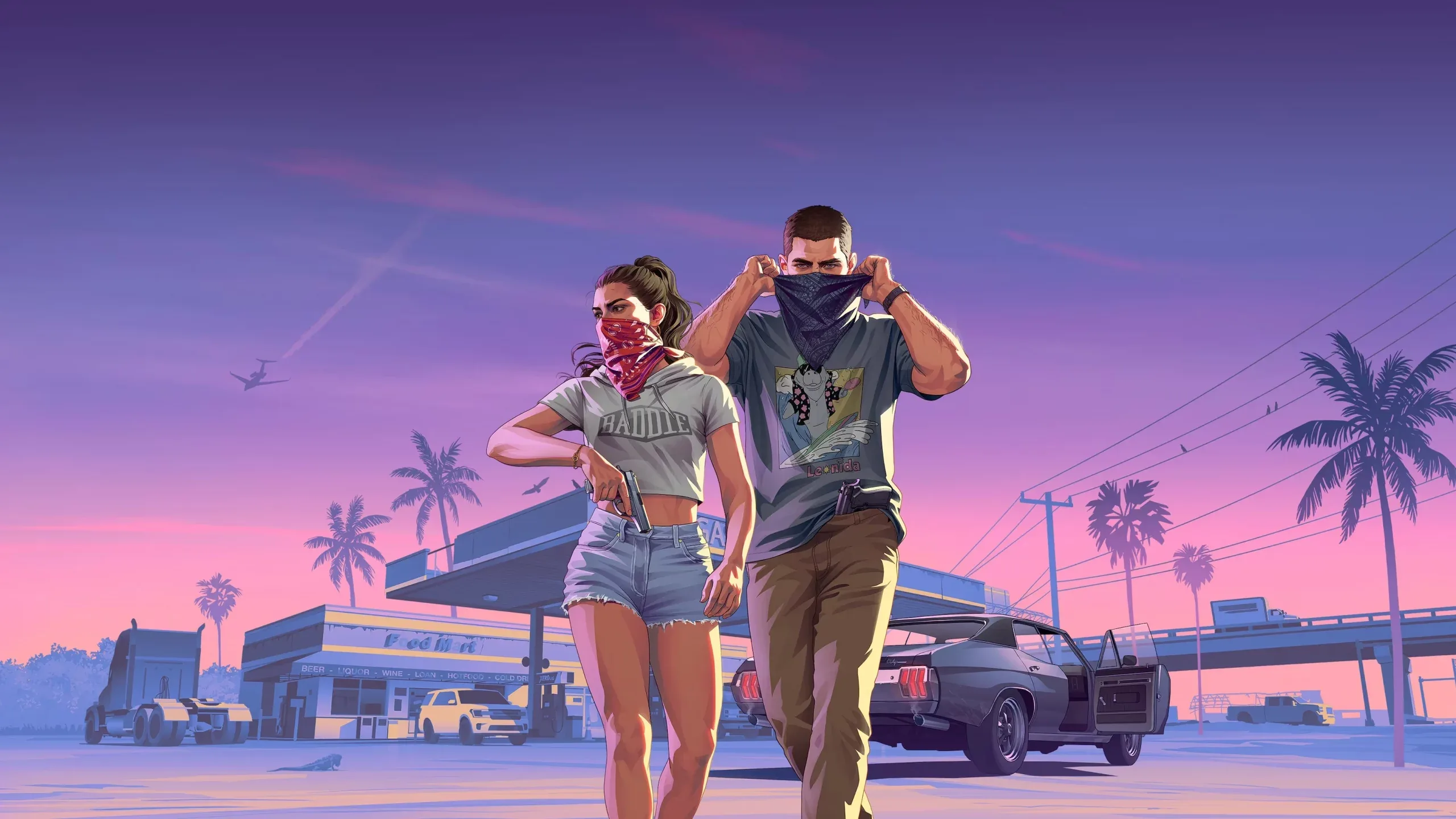
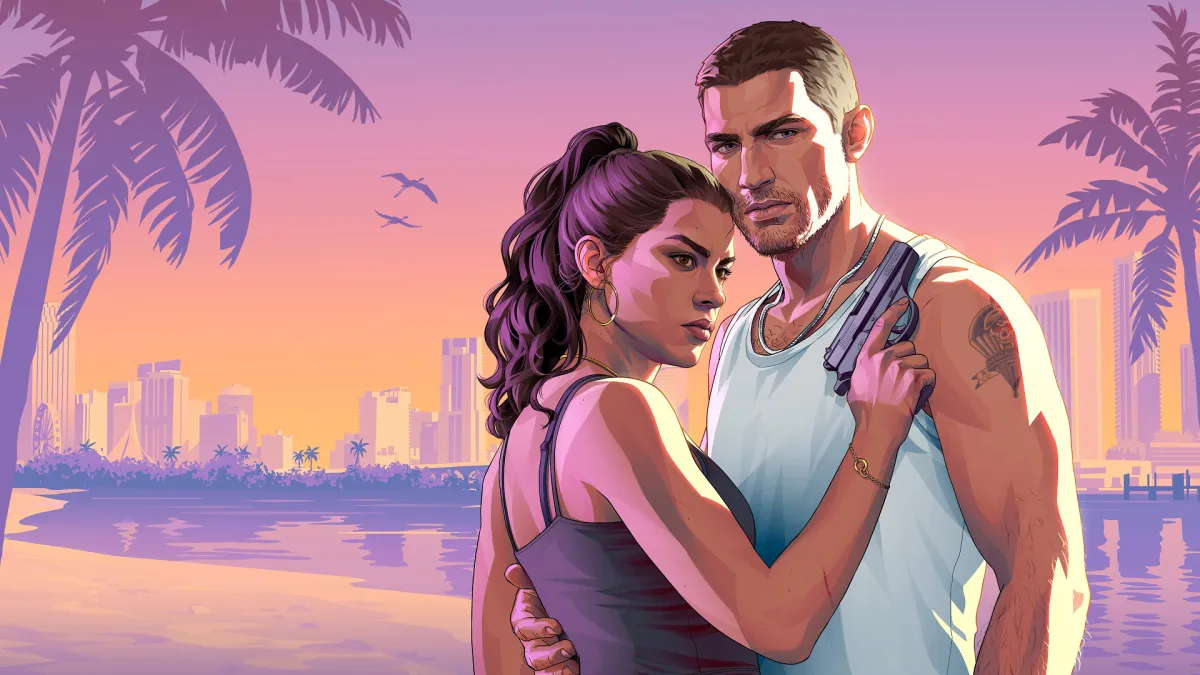
It also fits what Rockstar has already confirmed: GTA VI is developed by Rockstar Games and published by Take-Two Interactive, and it is set in the fictional state of Leonida, with Vice City as its main city, following Lucia and Jason. The Extended Look's refusal to explain its systems, and its trust in the viewer to follow cross-cut gameplay and cutscenes, is consistent with a studio confident enough to let the game speak for itself ahead of its November 19, 2026 release on PS5 and Xbox Series X|S.
FAQ
What is the GTA 6 Extended Look?
The Extended Look is the gameplay debut footage Rockstar released for GTA VI, which premiered on Netflix before appearing elsewhere. It shows gameplay, cutscenes and montage cross-cut together without a narrator explaining the systems. The game itself is set in Leonida, with Vice City as its main city.
When does GTA VI come out?
GTA VI releases on November 19, 2026. It will be available on PS5 and Xbox Series X|S. Rockstar Games is the developer and Take-Two Interactive is the publisher.
Why did Rockstar premiere the footage on Netflix?
According to Polygon's analysis, one likely reason was video encoding: the Netflix version looked visibly better than YouTube's, with deeper blacks, punchier colors and cleaner detail. For a studio that cares about how its games are presented, Netflix offered a more flattering shop window. The timed exclusivity window itself is still a notably assertive move.
Who are the main characters in GTA VI?
GTA VI follows Lucia and Jason. They are the two central characters in the game's story, which is set in the fictional state of Leonida with Vice City as its main city. The Extended Look presented them through cross-cut gameplay and cutscenes rather than narrated explanation.