GTA VI and the 'impermanent lightness' of streaming: Forbes on the end of owning games
A Forbes essay closes on GTA VI to illustrate a broader shift: media have never been easier to carry and never been harder to keep. From Columbia House to The Crew, the columnist maps the move from ownership to revocable licenses — and why the most anticipated game of the decade is arriving right in the middle of it.
An essay that ends on GTA VI
On August 31, Forbes contributor Emil Steiner published a long essay whose title borrows from Milan Kundera — "The Impermanent Lightness Of Streaming, From Amazon To GTA 6" — using GTA VI as the closing example of a wider cultural shift: media have never been easier to carry and never been harder to keep (Forbes). It is an opinion and media-analysis piece rather than game news, but its punchline lands directly on Rockstar's title: "A digital copy of GTA VI cannot sell out when it arrives November 19."
From Columbia House to the ephemeral library
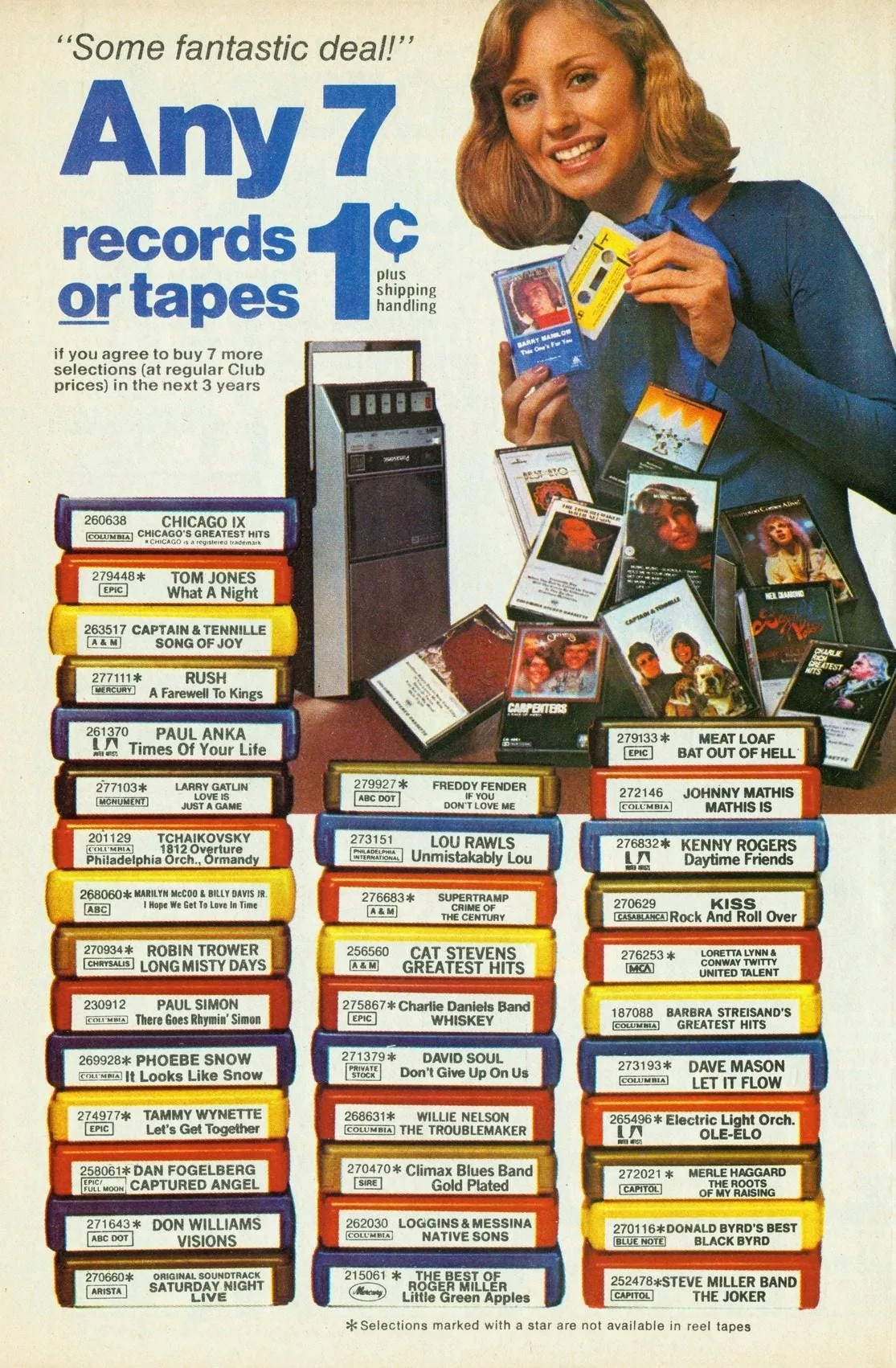
Steiner opens with the apparent closure of Columbia House, the mail-order music club that sold generations of Americans "12 CDs for a penny." After 71 years, the company reportedly stopped taking new orders on September 15 — a disappearance that fuels nostalgia for a time when a record, once received, "was mine": playable, lendable, sellable, even giftable. Streaming broke that bargain. The discs Columbia House shipped could be scratched, copied onto a mixtape or handed down; a Spotify playlist can vanish with a licensing deal (Forbes).
When "buy" means "license"
The essay then catalogues the legal fallout of the access economy. Netflix removes licensed titles without notice: on September 1, US subscribers lose dozens of films, from the original Rocky movies and the Creed trilogy to The Big Lebowski, The Breakfast Club, Schindler's List and Little Miss Sunshine (Forbes). In 2009, Amazon deleted purchased copies of George Orwell's 1984 from customers' Kindles after a rights dispute — a "mass, remote erasure of literature," as Steiner puts it. California now has a law, in force since 2025, that generally bars sellers of revocable digital goods from using the word "buy" without disclosing that customers are receiving a license. Amazon is fighting class-action litigation over exactly that distinction (Forbes).
Video games make the problem impossible to ignore
The sharpest section concerns games, because a purchased object can become entirely unusable. Steiner cites the shutdown of Ubisoft's The Crew in 2024: players sued, and Ubisoft agreed to a proposed $2 million settlement, with a final approval hearing scheduled for November 13 (Forbes). He also relays the European citizens' initiative "Stop Destroying Videogames," which gathered 1,294,188 verified signatures — enough to force a response from the European Commission, which declined in June to require abandoned games to remain playable but plans an industry "code of conduct" for end-of-life management. Even the physical format has become symbolic: on Switch 2, "Game-Key Cards" are thumbnail-sized chips that only unlock a download, not the game itself (Forbes).
Why it matters for GTA VI
The connection is not incidental. GTA VI launches November 19 in a landscape where "buying" a game increasingly means renting a license: no resale value, preservation dependent on servers and licensing contracts. Rockstar's boxed edition ships with a download code rather than a disc — so even the "physical" copy lives or dies with the platform. As Steiner writes, the impermanence of streaming is not digital in nature: it is architectural and economic, the result of designing culture around continuing access rather than possession (Forbes).
The takeaway
For players, the essay is a reminder that the most anticipated game of the decade arrives at the exact moment the industry is redefining what "owning" a game means. GTA VI cannot sell out — but in the streaming age, it may not need to. It only needs to stay available.
Why it matters
For players counting down to GTA VI, this essay reframes a question that has nothing to do with map size or mission design: what will you actually own on November 19, 2026? The answer, as Forbes lays out, is a license rather than a disc you can lend or resell — a distinction that matters more for a game expected to be played for years than for a film watched once. It also means availability depends on storefronts and rights holders staying in place, not on a box sitting on your shelf.
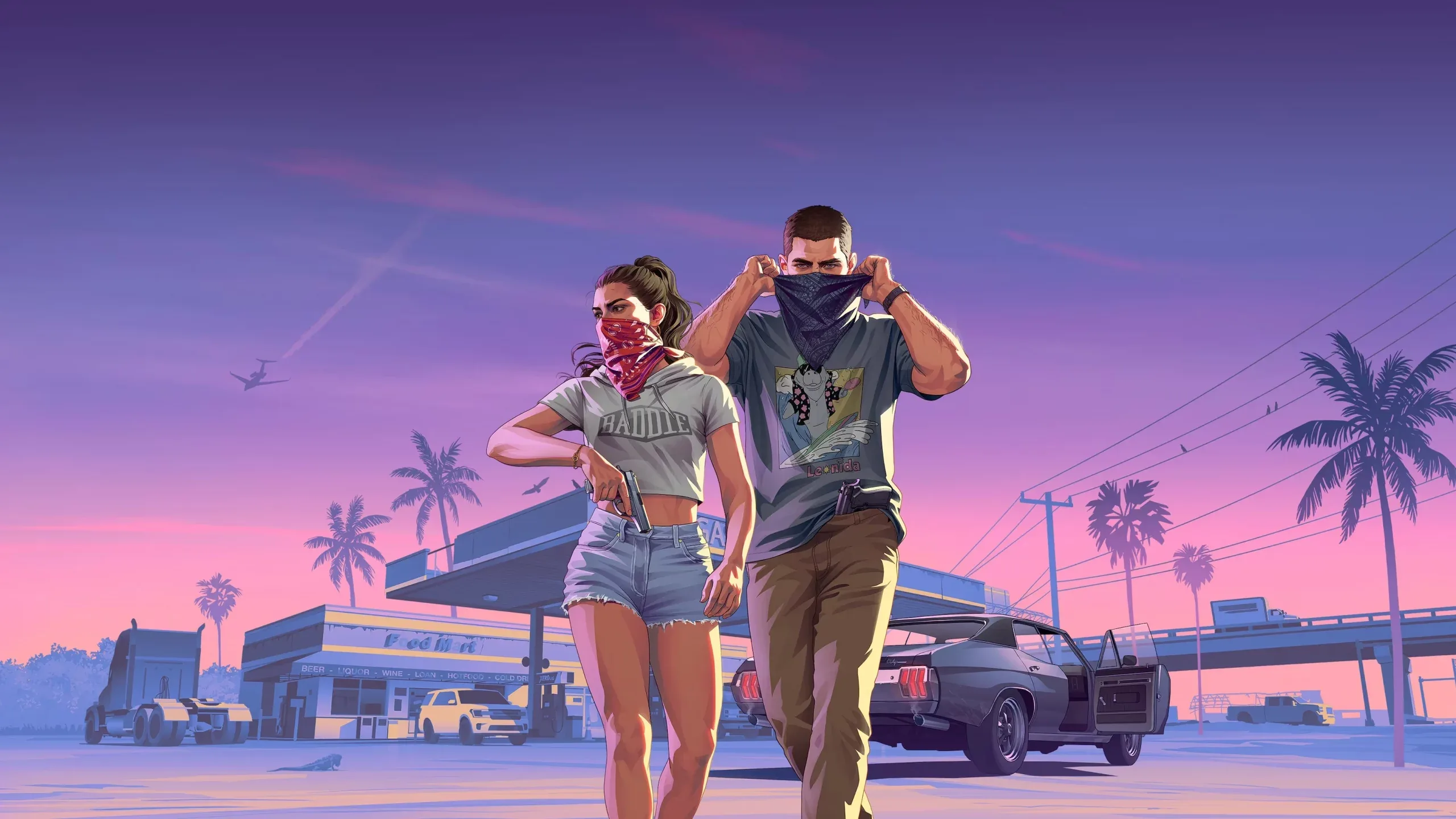
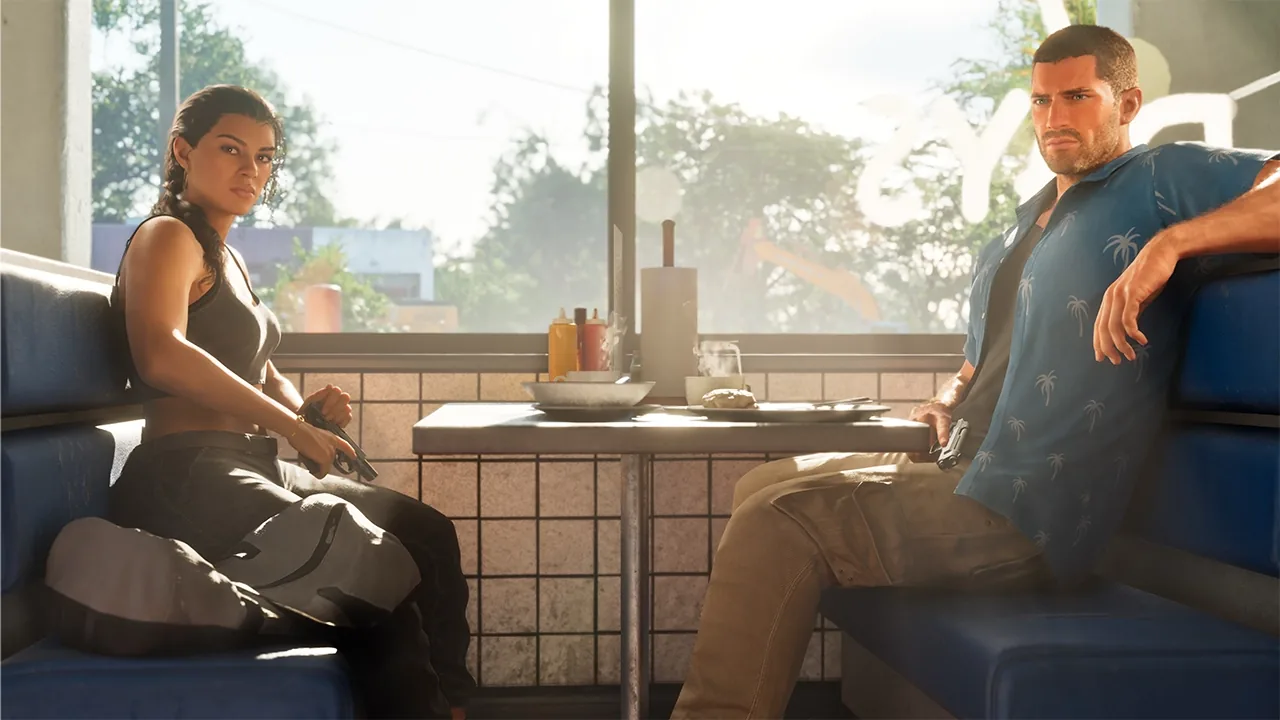
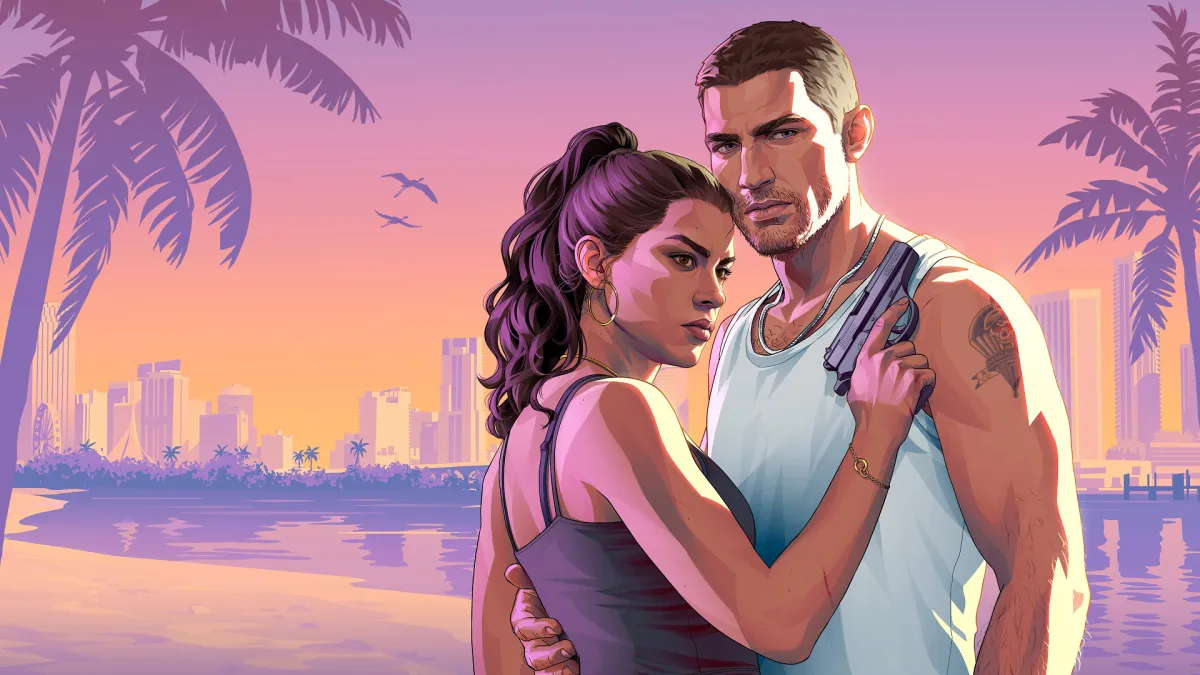
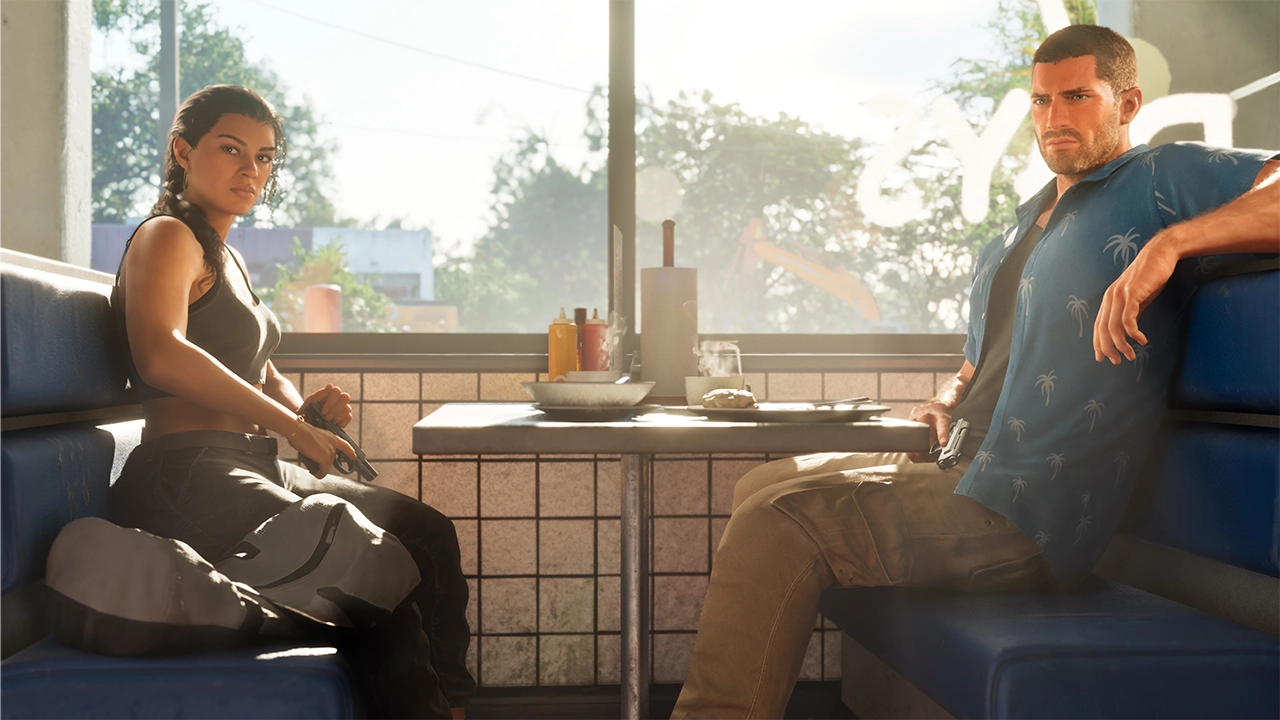
It fits what Rockstar and Take-Two have already confirmed rather than contradicting it. GTA VI arrives on PS5 and Xbox Series X|S, is set in the fictional state of Leonida with Vice City as its main city, and follows Lucia and Jason — all established facts. Nothing in the Forbes piece changes those details; it simply places the launch inside a broader shift in how digital media is sold, at a moment when the industry's own preservation debates are reaching regulators.
FAQ
When does GTA VI come out?
GTA VI releases on November 19, 2026. It will be available on PS5 and Xbox Series X|S. Rockstar Games is the developer and Take-Two Interactive is the publisher.
Where is GTA VI set?
The game takes place in the fictional state of Leonida. Vice City serves as its main city. The story follows two characters, Lucia and Jason.
Why are people talking about game ownership right now?
Recent disputes over delisted and shut-down games have pushed the question of digital ownership into courts and into European Union institutions. Forbes uses GTA VI as its closing example of a medium where a purchased copy can stop working entirely. The essay is opinion and media analysis, not an announcement about the game itself.
What does "buying" a digital game actually mean?
In many cases it means paying for a license rather than permanent ownership of a file. That license can be revoked or the storefront can close, which is why some jurisdictions now require sellers to disclose the difference. Forbes notes California has had such a law in force since 2025.