Miami Beach votes 4-3 for GTA 6 ads amid gameplay protest
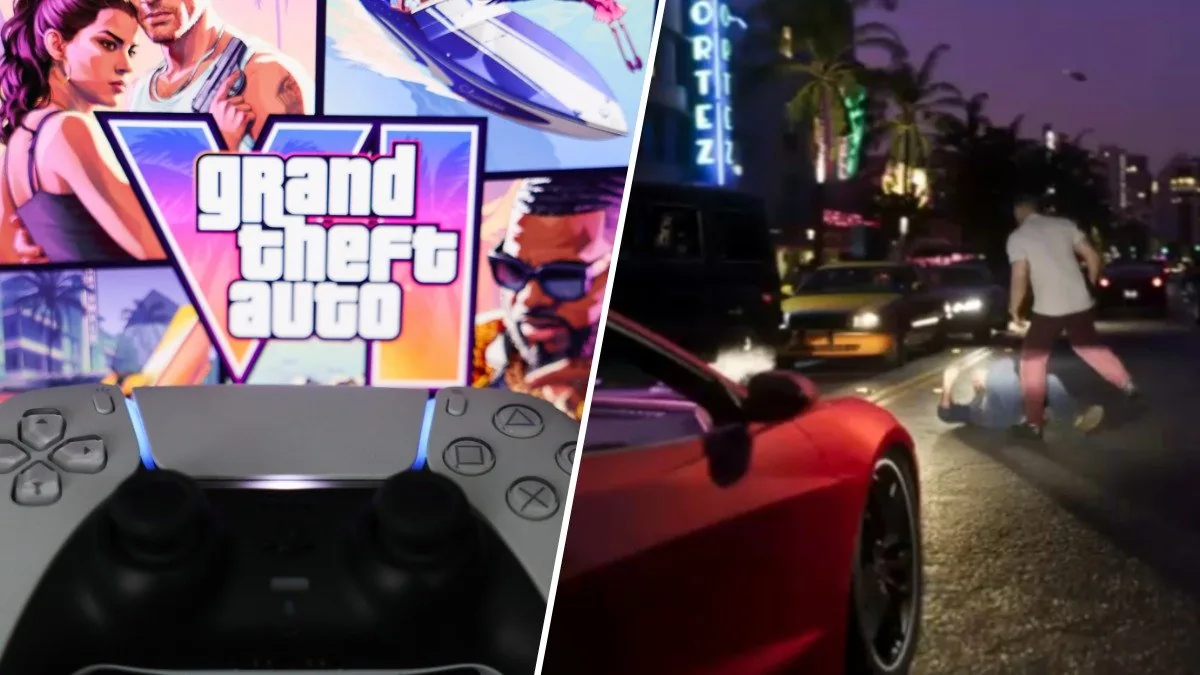
On September 10-11, the Miami Beach City Commission voted 4-3 to move forward on GTA 6 advertising, authorising negotiations with a marketing firm. Mayor Steven Meiner and commissioners David Suarez and Alex Fernandez voted against.
Miami Beach says yes — by a single vote
Miami Beach has taken its first formal step toward a Grand Theft Auto VI advertising deal. On September 10, the city's commission voted 4-3 to move forward on an item opening negotiations with a marketing firm over GTA 6 advertisements in the city, according to reporter Joel Franco's account of the meeting (X). GTA outlet GTA 6 Info Brasil relayed the same result that evening, and the decision became the day's most-discussed story on r/GTA6 (X; Reddit).
The margin was as narrow as a seven-member commission allows. Voting against were Mayor Steven Meiner and commissioners David Suarez and Alex Fernandez (X).
Precision matters here: the item authorises the city to enter negotiations, not to sign anything — but the debate that surrounded it put numbers and a calendar on the table, and those are now public (see below).
The $3m beach deal, in detail
The terms surfaced as the decision was confirmed on September 11. According to commissioner Laura Dominguez, who laid out the mechanism during the debate, Rockstar is expected to pay $3 million, with the city pushing for more; commissioner Tanya Katzoff Bhatt put the total benefits at "close to $4m" — a sum she said would fund the Flamingo Park football field renovation, a project currently without a budget (Eurogamer).
The campaign itself is deliberately understated. The words "Grand Theft Auto" appear nowhere: the branding is limited to the roman numerals VI and the words Vice City, placed on beach chairs and umbrellas operated by Boucher Brothers, the private company that runs concessions on Miami Beach. Advertising is barred from city property, including the lifeguard stands and landmarks, and from the Art Basel week in early December. The window runs from October 15 through the end of the year (Eurogamer; TechWiser).
There is a detail Rockstar fans enjoyed: the studio had already parodied Boucher Brothers inside the game, under the renamed beach operator "Sol Sisters." The company the city is now negotiating with has been part of the GTA VI world since the Extended Look (TechWiser).
The opposition was not moved by the money. Commissioner David Suarez screened footage from GTA V and the Netflix Extended Look in the chamber, stopping on the police chase: "I certainly don't want to see our brand associated with this video game, I don't think it's worth any amount of money" (Eurogamer). Bhatt's counter-argument was pragmatic — "This is coming to Miami Beach with or without us, and to pretend that it isn't is a missed opportunity."
Beyond the beach, freelance Miami journalist Francisco Alvarado reports that the Heat's affiliate Basketball Properties, Miami-Dade County and Rockstar are close to a deal for a giant GTA 6 sign on the roof of the Kaseya Center (Eurogamer).
The protest came into the chamber
What made the meeting unusual was how the opposition argued its case. According to footage circulated from the session on r/GTA6, opponents of the Rockstar deal used gameplay clips from GTA 6 itself to make their point to commissioners, turning the publisher's own showcase material into evidence against the campaign (Reddit).
The images that sell the game — carjackings, shootouts, Vice City's criminal economy — are exactly what critics say a city should not be endorsing. It is the same argument Miami-Dade's sheriff made when she called Grand Theft Auto "a video game franchise built around criminal activity."
"Hot coffee" and a fan in the room
The wave of September 11 coverage added a cultural footnote to the money. GamesRadar framed its write-up around the commission's return to the franchise's oldest scandal — the 2005 "Hot Coffee" affair — as politicians grilled Rockstar over the violence in the game before clearing the roughly $3 million deal anyway, with the rebuttal "it's a video game, it's fake" carrying the room.
Not every commissioner was against the deal. Monica Matteo-Salinas described herself as a fan of the series — "I played it in 1997, when it first came out; I played it in 2002 when it came out, the Vice City version, and I'm going to play it again when this one comes out" — and argued that a game is no licence to break the law, saying she was "not going to play the game and then go on a crime spree" (GamesRadar).
The numbers firmed up too. Dexerto reports commissioner Tanya Katzoff Bhatt putting Rockstar's spend at $4 million, matching the "close to $4m" figure raised during the debate, while Laura Dominguez recalled the city had initially sought $3 million and is still pushing for more (Dexerto). RockstarINTEL notes the kind of signage rights at stake — the ones usually reserved for events such as the Miami Grand Prix and the 2026 FIFA World Cup — a measure of how far a game launch has moved into civic infrastructure (RockstarINTEL).
"We're not giving away pistols and cocaine"
The full recording of the September 10 session, streamed by the city and written up by PC Gamer on September 11, shows how each camp framed the argument. Commissioner David Suarez opened with an inventory of what the game lets players do — "Grand Theft Auto is an adult videogame where players steal cars, deal drugs, commit robberies, murder civilians, and assassinate police officers" — before drawing his line: "That's their right. They can make it, they can sell it, and they can advertise it. But that doesn't mean that the city of Miami Beach has to help them do it." He then played a montage of clips from across the series and from the Extended Look, and did not soften it: "I for one don't want Miami Beach associated with this connotation of a brand."
Commissioner Monica Matteo-Salinas answered with the line that ended up in the headlines: "We're not going to be doing live action GTA in the city. We're not giving away pistols and cocaine to people." The campaign, she argued, is aimed at people who play games and who will spend money as tourists — not at turning the city into the game.
Commissioner Joseph Magazine treated the launch as an inevitability. "That spotlight's coming," he said, arguing that Miami Beach could either stand on the sidelines or take control and shape an opportunity that works for residents. He also said he had asked police about the campaign and found little alarm: "One actually kind of laughed at me, he goes, 'Dude, you think a videogame is going to change what we do in the city?'" (PC Gamer).
A widening fight
The vote lands inside a debate building since late August, when local outlet The Miamian obtained a 19-page pitch in which Miami-Dade County proposed turning the airport, the port, transit and beaches into Vice City-themed installations for the launch (NBC 6 South Florida). County Mayor Daniella Levine Cava's office confirmed "some conversations" with Rockstar while stressing that "nothing has been formally agreed to or approved."
Opposition was fast. Sheriff Rosie Cordero-Stutz and Commissioner J.C. Bermudez urged the county to drop the idea, arguing Miami-Dade has spent decades rebuilding its reputation and should not lend it to a fictional city defined by crime (NBC 6 South Florida). By September 10, the dispute had reached the top of Florida politics: Politico reported Attorney General James Uthmeier was "not a big fan of Miami-Dade propping up violent video games," while Governor Ron DeSantis, asked about the game's depiction of South Florida, offered a blunter caution — "buyer beware" (Politico).
Vice City, mirrored for 24 years
The friction is not new to the franchise; only its direction is. Vice City has borrowed from Miami since 2002, and GTA VI leans harder into the resemblance than ever, with "Ocean Beach" standing in for South Beach and "Little Cuba" for Little Havana (Politico). What is new is the reversal: instead of Rockstar borrowing Miami's image, Miami-area governments are competing to borrow Rockstar's. Politico notes the irony — Miami Beach has spent years trying to shed the spring-break persona the game leans into.
September 12: Ordinance 19783, and a campaign the press calls "discreet"
The vote has turned into paperwork. Miami Beach has now approved Ordinance 19783, the text that formally clears the way for GTA VI advertising on the beach: a campaign set to run from October 15 through December 31, 2026 and described in the coverage of the approval as one that will be "discretely advertised" (TweakTown).
Nothing about the shape of the branding changed in the process. Rockstar's presence stays limited to the words "Vice City" and the Roman numeral VI, applied to chairs and umbrellas operated by Boucher Brothers, with the full "Grand Theft Auto" name kept off city property and out of the Art Basel window (TweakTown; Beebom). What did shift is the description of the money: TweakTown reports the city will receive "a couple million dollars," a more conservative phrasing than the $3 million headline figure that circulated in the chamber, with commissioner Tanya Katzoff Bhatt estimating total benefits at "closer to $4 million" (TweakTown; TalkEsport).
Commissioner Laura Dominguez, who carried the item, has been explicit about what residents should expect to see between October and December: "Vice City" or "VI" on beach furniture and signage, and nothing more (IGN).
"So the city can fix its football field"
The second wave of coverage settled on a framing that says as much about municipal budgets as about the game. IGN's headline — "Miami Approves 'Discreet' GTA 6 Marketing Campaign So the City Can Fix Its Football Field" — captures the trade at the heart of the deal: the money is earmarked for the renovation of the Flamingo Park football field, a project that had no budget (IGN; Beebom). Polygon read the decision just as plainly, describing Miami as about to become an "IRL version of Vice City" (Polygon).
TalkEsport adds a name that had not appeared in the first round of reporting: the agency the city is dealing with, Amplify Marketing Inc., alongside Rockstar and Take-Two (TalkEsport). It also keeps two caveats in view — the September 10 vote authorised the City Manager to negotiate, and the "close to $4 million" figure does not appear in the written resolution. The wider Miami-Dade pitch (airport, Metromover, manhole covers) remains unapproved, and the separate downtown Miami banner ordinance is still waiting on its recorded vote (TalkEsport).
September 12: the story goes local — and French
By the afternoon of September 12 the approval had travelled well beyond the gaming press. Miami's own lifestyle outlets picked it up: Secret Miami framed the vote as the commission giving "the green light" to "Vice City" and "VI" signage on beach chairs and umbrellas "this October," while the local newsletter WRE News (World Red Eye) reported the city had "signed off" and put the campaign's marketing value at "nearly $4 million," repeating the October 15–December 31 window with the Boucher Brothers beach furniture as the only surface (Secret Miami; World Red Eye). The story was syndicated nationally through MSN as well, and by September 12 it had moved past the trade and gaming press into general-interest and lifestyle outlets — Men's Journal, distributed through Yahoo News, framed the decision plainly as Rockstar preparing to "market the game in the real-life Vice City," a reminder that the story now reads as a Miami story first and a video-game story second.
In France the vote was relayed almost in step. Univers-Simu, Gamekyo and Games.gg all summed it up the same way — Miami Beach authorising a marketing partnership worth up to $4 million, running from October to the end of the year — while the global outlet EGW.News reported that GTA 6 promotional materials would start appearing in the city "from next month," and the French site gta6-news.net headlined the story around Miami Beach "continuing its negotiations with Rockstar" through a heated debate. What none of the new write-ups did was alter the terms: the shape of the deal — branding limited to "VI" and "Vice City," the Boucher Brothers furniture, the October 15–December 31 calendar and the Art Basel carve-out — stayed exactly as Ordinance 19783 and the first wave of coverage described it.
What happens next
The negotiations now have a shape and a deadline: a campaign pencilled in from October 15 to December 31, ahead of GTA VI's launch on November 19, 2026 on PS5 and Xbox Series X|S. The fee is still being pushed upward, the Art Basel blackout and the ban on city property show how carefully the wording was drafted, and the county-level pitch — airport, port, transit — remains unresolved.
For Rockstar, the episode is a reminder that its setting has become a political fact in Florida. For Miami Beach, the vote changes the question: not whether to discuss a deal, but what the city signs — and who gets to object.
September 14: Suarez explains himself — and opens a legal front
The commissioner who voted no has now said, on camera, why — and added a question nobody had raised in the chamber. In a CBS News Miami report broadcast on September 13, David Suarez tied his opposition to the city's long campaign to shed its spring-break reputation: "How many years has Miami Beach been trying to move away from the chaos of spring break and Memorial Day, where we had countless shootings and stabbings. And we put millions of dollars toward a marketing campaign to move away from that. And now we're embracing a marketing campaign that brings that back" (CBS News Miami).
His objection, he made clear, is about branding rather than the game's existence: "I have nothing against the game in particular. My biggest issue is associating our brand with that multi-billion dollar game." He also argued that the agreement he voted against still lacks specifics — worth remembering, since the September 10 item authorised negotiations rather than a signed deal — and said he would look into whether it is legal for the city to market the game on city property.
The county's top office kept its distance in the same broadcast. A spokesperson for Miami-Dade Mayor Daniella Levine Cava told CBS News Miami that the mayor has not met with Rockstar about marketing the game — a narrower statement than the September 12 Miami Herald account of a wider package discussed with GTA executives, and consistent with the "some conversations, nothing agreed" line her office has held since late August (CBS News Miami).
The rest of the round-up confirmed the other files unchanged: City of Miami commissioner Christine King repeated that the downtown banners would show nothing graphic and that "no City of Miami assets are being used as a promotional tool — no parks, no city administration, no city hall", pointing to permit revenue for the Rev. Edward T. Graham Heritage Trail in Overtown, while a banner carrying the word "vice" was now visible outside the county-owned Kaseya Center. Nothing has moved the calendar: October 15 remains the earliest date for beach signage, and GTA VI launches on November 19, 2026 for PS5 and Xbox Series X|S.
September 18: the deal reaches local TV, and the resolution's wording surfaces
The vote is a week old, and Miami's local broadcasters have come back to it. WSVN's September 18 report frames the county as split over whether to work with the game — Miami Beach already partnering to bring revenue in, neighbouring officials refusing — and puts the chamber's argument back on camera. The item's sponsor, Monica Matteo-Salinas, restates her case: "We are not giving away pistols and cocaine to people. It's a video game and it's fake. This actually won't affect our brand. This is a win for gamers and gaming nerds." Joe Magazine goes straight to the budget: "This money — millions of millions of dollars is going directly to amenities for our residents." David Suarez answers the branding claim in three words — "Won't affect our brand?" — and closes with another line: "The other commissioners decided that the beach is for sale now" (WSVN).
The papers behind the deal are shorter than the debate around them. The resolution the commission passed, published in full by Miami New Times, authorises the City Manager to negotiate with Amplify Marketing Inc. for "signage and other promotional materials on beachfront concession equipment, and on other city-owned property as designated by the city manager" (Miami New Times). That is a broader brief than the "advertising barred from city property" line carried in the first wave of coverage: beyond the Boucher Brothers furniture, every municipal surface now depends on what the City Manager designates, which is why the campaign has no final footprint a month before it is due to start.
Suarez's objection, in written comments reported by New Times, is where the money is disputed. Miami Beach is "making an exception for a multibillion-dollar franchise while roughly half the money goes to a private concessionaire," he wrote, adding: "Our beaches aren't billboards. Once we decide they're for sale to corporate advertisers if the check is big enough, where does it stop?" His closing argument is not that the game needs no promotion, but that the city does not need the cash: "GTA has a valuable brand. So does Miami Beach. They don't need us, but they clearly see the value in us. We should see that same value in ourselves."