Miami wants to turn its airport and port into real-life Vice City for GTA 6's launch
Miami-Dade's plan to dress Miami International Airport, PortMiami and Metromover stations in Vice City branding for GTA 6 is 'in serious jeopardy', The Miamian reported on October 9: at the October 5 commission meeting commissioner Rene Garcia led the pushback, and a motion to let the mayor negotiate a deal worth more than $1 million nearly became an outright ban before commissioner Oliver Gilbert
A real-life Vice City?
For decades, Vice City was Rockstar's funhouse-mirror version of Miami — the neon, the excess, the crime mythology, sold back to the world as satire. With GTA 6 less than three months away, the county that inspired the fiction is now trying to reverse the loop: according to a 19-page pitch deck obtained by local outlet The Miamian through a public records request, Miami-Dade County officials submitted a proposal to Rockstar Games on June 29 to turn county-owned spaces into Vice City-themed installations timed with the November 19 release (Secret Miami).
Wrapped planes and Vice City baggage claims
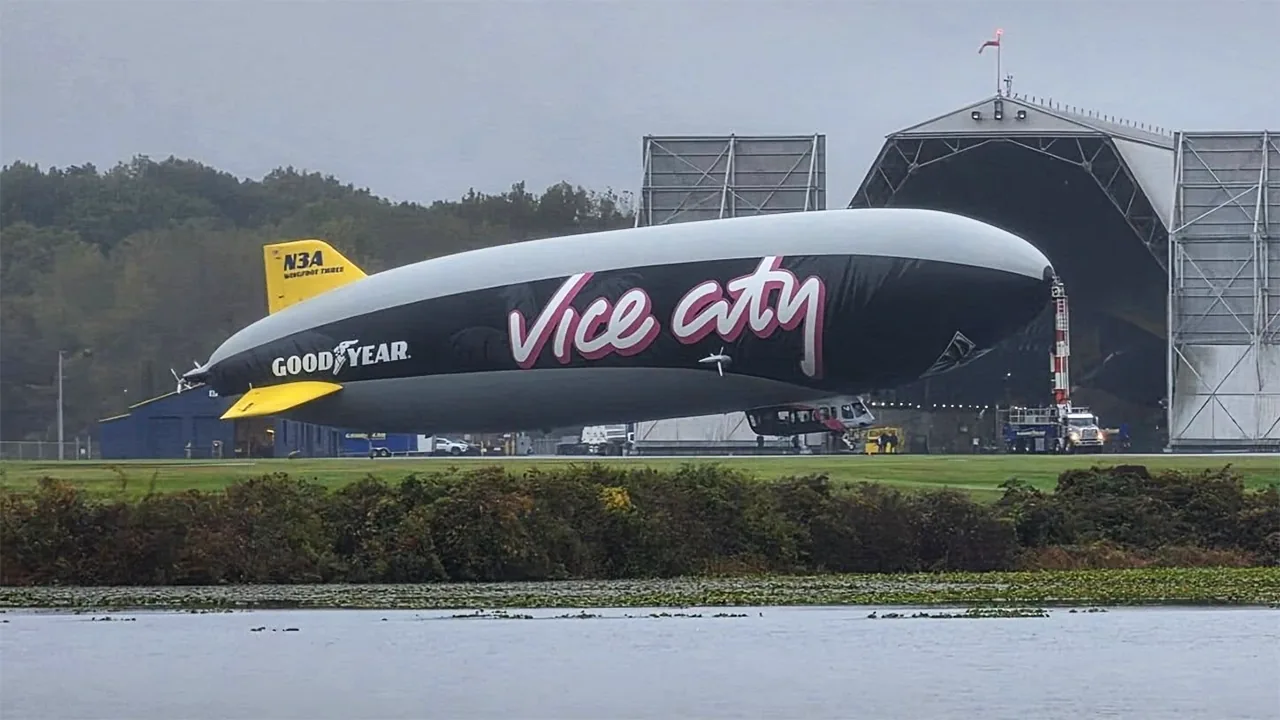
The most spectacular ideas target Miami International Airport: an "immersive arrival experience" built around a display aircraft wrapped in Vice City logos, a themed baggage claim with customized carousels, limited-edition luggage tags, decorated luggage carts and launch-period signage throughout the terminal (Secret Miami; GTA Boom). At PortMiami, the county proposed a large mural or installation inspired by "Port Gellhorn" — the game's fictional port — assembled from cargo containers, cranes and cruise ships, viewable from the water and potentially served by a water-taxi experience along Biscayne Bay (Secret Miami).
Public transit would not be spared: Metromover cars wrapped in Vice City colors, signage at major Metrorail stations such as the Stephen P. Clark Government Center, Brickell and Bayfront Park, plus artist-designed manhole covers and utility-box wraps in Downtown and Brickell (GTA Boom). Further out, Rickenbacker Beach could host a Vice City-inspired sculptural sign or photo frame overlooking Biscayne Bay sunsets, and Tropical Park a "family-appropriate" motor fest celebrating classic cars, lowriders and motorcycles with DJs, food vendors and public art (Secret Miami). IGN adds more unusual proposals, including a "radio lab" at a downtown library equipped with recording and editing gear for music and podcasts (IGN).
Talks confirmed, nothing approved
Nothing is signed. Carlos Suarez, communications director for Miami-Dade Mayor Daniella Levine Cava, confirmed to The Miamian that the county has held "some conversations with Rockstar about potential opportunities around the launch of GTA VI" — while stressing that "nothing has been formally agreed to or approved," and any idea would have to go through the appropriate review process (IGN; Secret Miami). Notably, Suarez framed the pitch as a business opportunity: "a unique opportunity to generate revenue for the County while showcasing Miami-Dade to a massive audience" (IGN).
The story has traveled far beyond Florida: South Korean outlet GameMeca relayed it with a headline asking whether Miami's airport and downtown will literally "become Vice City" for the launch (GameMeca). Early versions of The Miamian's report framed Rockstar as the one doing the pitching; the outlet later clarified that the county actually submitted the deck (IGN).
Sheriff and commissioner push back
Three days after the pitch became public, the proposal ran into its first political opposition. On September 3, Miami-Dade Commissioner J.C. Bermudez called the idea "appalling," arguing that lending the county's name to Grand Theft Auto branding would go against what Miami-Dade stands for and make it harder to attract businesses — he called on the mayor to drop a reported plan to rebrand Miami International Airport as "Vice City Airport" for the launch period (iHeart; WSVN). He also demanded transparency about the talks: exactly what conversations the county has had with Rockstar, what Miami-Dade taxpayers are supposed to get out of any deal, what it would cost them, and which public resources would be on the table (Political Cortadito).
Sheriff Rosie Cordero-Stutz was just as direct. "Grand Theft Auto is a video game franchise built around criminal activity," she said, pointing to a fictional world that includes murder, robbery and drug dealing. In the Miami Herald's telling, the sheriff's verdict is blunt: whatever money a marketing partnership might bring, it is not worth the association (Miami Herald). NBC Miami reports that the county's top cop and Bermudez both want to put the brakes on any potential promotion deal involving county facilities (WSVN; NBC Miami).
The opposition sets up a genuine local debate. The mayor's office — which has confirmed conversations with Rockstar while stressing that nothing has been formally agreed — has touted the deal as "a unique opportunity to generate revenue for the County while showcasing Miami-Dade to a massive audience" (IGN; Axios). Its defenders note the county would be paid by Rockstar rather than spending public money. Its critics answer that putting the county's official stamp on a franchise "built around criminal activity" sends the wrong signal about Miami-Dade, no matter the check (Miami Herald; Axios).
For now, the deck remains just a deck. The commissioner's and sheriff's comments do not formally kill the proposal — approval would ultimately go through the county commission — but they signal that a real-life Vice City takeover will face scrutiny in public, not just in Rockstar's pitch meetings (WSVN).
A joint press release — and a political subtext
The pushback has since taken a more formal shape. Bermudez and Cordero-Stutz issued a joint press release arguing that the real question is not whether GTA VI would bring global attention to Miami-Dade, but whether the county should lend its public resources, facilities and brand to "a fictional depiction of Miami centered on crime, violence, and lawlessness." The sheriff was characteristically blunt about the airport plan: "I still cannot believe that we are even considering temporarily rebranding important County assets, including Miami International Airport, as 'Vice City Airport.' Miami-Dade County has spent decades building a reputation as a world-class destination for tourism, business, investment, and opportunity... Miami-Dade County is not Vice City" (RockstarINTEL).
Not every institution shares that reading. Florida's courts raised no objection to the broader campaign, but the chief judge sent the mayor a letter asking that courthouses be excluded from any marketing — a request reportedly framed as respect for the game's creativity rather than disapproval of the county's plans (RockstarINTEL).
Local politics may be adding fuel. Levine Cava is a Democrat, while Bermudez and Cordero-Stutz are Republicans — and the commissioner is reported to be eyeing the mayor's office. The Miami Herald notes that Bermudez has pushed for a 12% increase in tax funding for the county's independent agency against the mayor's proposed 6%, feeding speculation that the showdown is as much about positioning as it is about pixels (RockstarINTEL; Miami Herald).
What it means
The proposal is the latest sign of how massive GTA 6's marketing push is expected to be — and how eager a real city is to ride the wave. Rockstar has kept its campaign unconventional so far, from the Netflix premiere of "An Extended Look" to its record-breaking broadcast numbers. A Vice City takeover of Miami would be its most audacious real-world activation yet, but with county approval far from guaranteed, the pitch may remain a very colorful deck. GTA VI launches November 19, 2026 on PS5 and Xbox Series X|S — with or without wrapped planes (GTA Boom).
The story goes national
By September 4, what had started as a local Florida dispute had become one of the week's most widely covered GTA VI stories in the gaming press. PC Gamer led its report with Cordero-Stutz's verdict — that Grand Theft Auto is "a videogame franchise built around criminal activity" — while Kotaku framed the confrontation as a battle over whether Miami should turn itself into real-life "GTA-Land" for the launch (PC Gamer; Kotaku). CBS News Miami relayed the same pushback from the commissioner and the sheriff, who argue the county should not lend its name and public property to a game centered on crime and violence (CBS News Miami). The Miami Herald remains the main outlet tracking the maneuvering behind the scenes, from the joint statement to its political context.
The proposal itself remains exactly that — a proposal. No formal decision has been announced since the joint statement, and with GTA VI roughly ten weeks from launch, the debate over a real-life Vice City shows no sign of fading quietly.
The New York Post turns up the political heat
On September 6, the New York Post brought the dispute to a national mainstream audience with a distinctly partisan frame. The tabloid cast Sheriff Rosie Cordero-Stutz — a self-described "tough-on-crime" Republican — against Miami-Dade's Democratic Mayor Daniella Levine Cava over the reported marketing tie-in with Rockstar. Cordero-Stutz's central charge, already familiar from local coverage, gained an extended coda in the Post's telling: GTA's "fictional world includes murder, robbery, drug trafficking, carjacking, violence against law enforcement, and other conduct that the men and women of the Miami-Dade Sheriff's Office work every single day to prevent" (New York Post).
The Post also gave Commissioner Juan Carlos Bermudez — described as a Republican weighing a 2028 challenge to Levine Cava — room to sharpen his attack: "We should be promoting the Miami-Dade we have worked so hard to build, not a fictional version of our community defined by crime and violence" (New York Post). The piece recaps the plan's details, including the internal "GTA VI × MDC" branding and the proposed renamings of Miami International Airport as "Vice City International" and PortMiami as "Port Gellhorn," alongside the mayor's office reminder that nothing has been formally agreed.
The article also surfaces a reaction that had stayed off the local pages: fans have been attacking the sheriff and the commissioner online, calling them the "fun police" and warning that Miami could miss out on serious revenue by shooting the deal down. It is a reminder that, outside the county commission chambers, the loudest voices are still firmly on Rockstar's side.
The story crosses the Atlantic
By September 7, the dispute had reached the European gaming press. French outlet Tom's Hardware FR published a long recap of the saga, from the pitch submitted in June — internally branded « GTA VI × MDC » — to the sheriff's refusal. The piece brings a few details that had largely stayed in the local coverage: the airport plans reportedly included « Welcome to Vice City » signage for passengers arriving at Miami International, and the court officials who asked for courthouses to be kept out of the campaign are now identified by name — Chief Judge Ariana Fajardo and Clerk Juan Fernandez-Barquin wrote to the mayor to that effect (Tom's Hardware).
The political backdrop is sharper there too: Cordero-Stutz and Levine Cava are competing for support on the county commission over rival budget proposals for the sheriff's office in 2027, and Bermudez is described as a potential Republican candidate to succeed the Democratic mayor in 2028. Still, no formal decision has been announced since the joint statement, and the county commission keeps the final word. With GTA VI roughly ten weeks from launch, the real-life Vice City debate is now making headlines on both sides of the Atlantic.
The story has also reached the generalist press in Europe. Belgian outlet 7sur7.be published its own recap on September 7, framing GTA VI as the gaming event of the year — if not the decade, with the previous entry dating back to 2013 — before recounting the county's pitch and the sheriff's refusal. The piece adds no new facts, but it confirms the saga has moved well beyond gaming media: Miami's debate over its fictional twin is now being followed by mainstream news readers in Europe too, with the county commission still holding the final word.
Public radio picks it up — and Bermudez promises a "no" vote
On September 8, the saga reached Florida's public radio airwaves. WLRN Public Media — the NPR station serving South Florida — published its own account of the dispute, written by reporter Joshua Ceballos and syndicated to Tampa's WUSF and the state's NPR network. The piece recaps the September 3 opposition from Bermudez and Cordero-Stutz and adds a small but concrete development: Bermudez told WLRN that none of the county's proposals have come before a public meeting for commissioner approval, and that the public should have a chance to weigh in on whether Miami-Dade should promote GTA VI. If the item ever reaches the commission, he said, he would vote "no."
The report also gives Cordero-Stutz's joint statement a fuller coda: "At a time when law enforcement is working every day to reduce violent crime, prevent robberies and car thefts, combat drug trafficking, and build stronger relationships between our deputies and the communities we serve, I believe we need to seriously consider the message we send when our own government promotes a fictional identity centered around many of those same crimes."
The institutional tone of the coverage is itself notable: the county's proposal has now been dissected by the local daily press, the national tabloids, the gaming media, European generalist outlets — and now public radio, the medium local officials most want to court. Nothing has changed formally: no vote has been scheduled, no decision announced, and the proposal has still not appeared on any public agenda. But the commissioner's promise of a "no" vote gives the story a concrete next act if the mayor's office ever pushes the plan toward a commission hearing.
October 9: the county campaign lands in "serious jeopardy"
One month before launch, the plan to fold Miami International Airport, PortMiami and Metromover stations into GTA 6's marketing is "in serious jeopardy", according to The Miamian, the local outlet that broke the story in August with a public records request. Its reporter Francisco Alvarado published the assessment on October 9, after the county commission's regular meeting of October 5, where commissioner Rene Garcia led the attack on the effort by Mayor Daniella Levine Cava's staff to have Rockstar pay the county to dress public facilities as Vice City (The Miamian).
Garcia's objection was framed as a matter of civic identity rather than money. "I feel really uncomfortable with this whole thing," he said, arguing the county should not collaborate with a "game that's depicting Miami like a crime haven; Miami like a murder capital" (The Miamian).
The procedural detail is what makes the meeting consequential. Commission chairman Anthony Rodriguez made a late move to have his colleagues vote on granting Levine Cava the power to negotiate a marketing agreement worth more than $1 million with Rockstar. According to Alvarado, that motion nearly flipped into an outright prohibition of any deal before commissioner Oliver Gilbert delayed the vote that would have ended negotiations on the spot (The Miamian). GTA BOOM, reporting the same hearing, reads the October 20 county commission meeting as the point where commissioners could "end the county's role outright" while the city-level and private deals keep moving (GTA BOOM).
Commissioner Danielle Cohen Higgins anchored her opposition in written county policy: Miami-Dade bars itself from advertising that promotes pornography, prostitution or violence. She then reached for a local precedent. In 2019, she said, the county and the Miami Heat turned down a $10 million naming-rights bid from Bang Bros, a Miami-based adult-film company, for the arena now known as Kaseya Center — "We completely rejected that without consideration." The sum Rockstar has so far committed to the county is $975,000, a tenth of the bid that was refused (The Miamian).
The $975,000, the $957,000 and the $150 million
The Kaseya Center roof sign is the deal that brought the argument to a head. Levine Cava's chief of staff, Christopher Hudtwalcker, negotiated the "Welcome to Vice City" display with Rockstar and the Miami Heat. It pays the county $975,000 and runs seven months — and that figure is precisely $25,000 below the $1 million threshold above which a county commission vote is required (The Miamian).
At the October 5 meeting, commissioner Roberto Gonzalez said the placement of that number looked deliberate: "The way that I feel is almost like the Kaseya Center [sign] was negotiated at [$975,000] because it wasn't going to come back to us, and so we wouldn't make the vote. I'm not saying you did that, but that's the way it feels" (The Miamian).
Garcia's case rests on proportions. "Done some research, and at least a minimum of $150 million, [Rockstar is] spending on marketing," he said. "And Miami Dade County negotiated a contract for $957,000? It does not make sense" (The Miamian). Two things about that pair of numbers are worth stating plainly: nobody has confirmed the $150 million — Gameranx notes the outlet could not establish where the commissioner found it, and Take-Two has not commented on it — and Garcia's $957,000 does not match the $975,000 his own interviewer's reporting puts on the roof sign, a transposition $18,000 apart that no party has publicly clarified (The Miamian; Gameranx).
The mayor's office defends the price against a contract that never happened. An unexecuted FIFA deal for advertising around the 2026 World Cup at Hard Rock Stadium in Miami Gardens would have generated $200,000 to $500,000 in gross revenue per month across two months, of which the county would have kept 50% of net revenue — a potential $100,000 to $250,000 per month before fees. The Rockstar agreement, averaged over its seven months, works out to about $139,286 per month, which the county describes as "within the range contemplated under the FIFA proposal" (The Miamian).
Measured against the rest of the campaign, the county's share is marginal. The City of Miami negotiated up to $1.2 million for six temporary banners, and Miami Beach approved up to $4 million for signage on beach concession equipment. Add the $975,000 roof sign and the three public deals identified across Miami-Dade, Miami and Miami Beach come to roughly $6.18 million — about 4% of the $150 million figure Garcia cites, or one 154th of it if the county contract alone is counted (The Miamian).
"Manufactured outrage", an unpublished agreement
Alvarado's own verdict, in the piece that set off this round, is that the indignation is political rather than principled: the commissioners fighting the deal, he writes, are "more bothered about being frozen out of the discussions with Rockstar and its representatives – and thereby deprived of the opportunity to squeeze the gaming software firm for contributions to their political action committees" (The Miamian).
The paper trail is incomplete in a way the county itself acknowledges. Rockstar covered the production and installation costs of the roof sign and paid Basketball Properties, the Heat affiliate that operates the taxpayer-owned arena, "a contribution" under a "roof facilitation" agreement. Asked for that document under public records law, Assistant County Attorney Michael Valdes told The Miamian the county is "not in possession of a copy of any roof facilitation agreement between Rockstar and BPL as we are not parties to that agreement." Rockstar and Basketball Properties both declined to comment (The Miamian).
The campaign itself keeps moving on other fronts. RockstarINTEL reported on October 13 that the Miami Beach agreement pencilled in to start October 15 had still not been signed, and that a source had told reporter Joel Franco that date will "most likely not" be the real start date. The Heat will stage a Vice City-themed game on November 18, the day before GTA VI releases on PS5 and Xbox Series X|S.