GTA 6 vs GTA 5 Enhanced: how Rockstar's visuals leap a generation or two

For Digital Foundry, GTA 6 is one or two generations beyond GTA 5 Enhanced: the RAGE engine gets a true step change, with strand-based hair, a modern PBR pipeline and ray-traced lighting refined from GTA 5's experiments.
The comparison that matters
GTA 5 has been re-released, remastered and Enhanced for years, and on a high-end PC with everything maxed it still holds up. That makes it the perfect yardstick — and in a new technical feature published September 2, Digital Foundry's Richard Leadbetter measures GTA 6 against it. His conclusion: even compared with its predecessor in its ultimate form, GTA 6 is "a massive leap forward in visual fidelity and simulation," one or two generations ahead (Digital Foundry).
A real step change for the RAGE engine
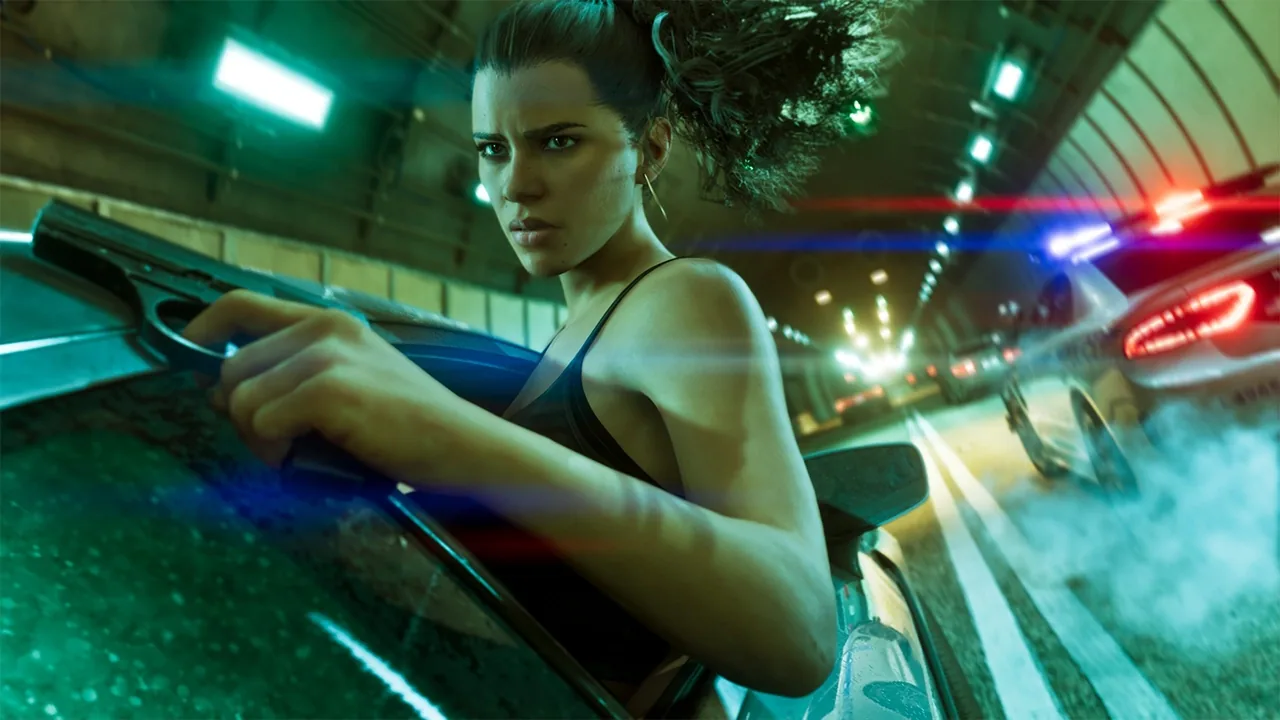
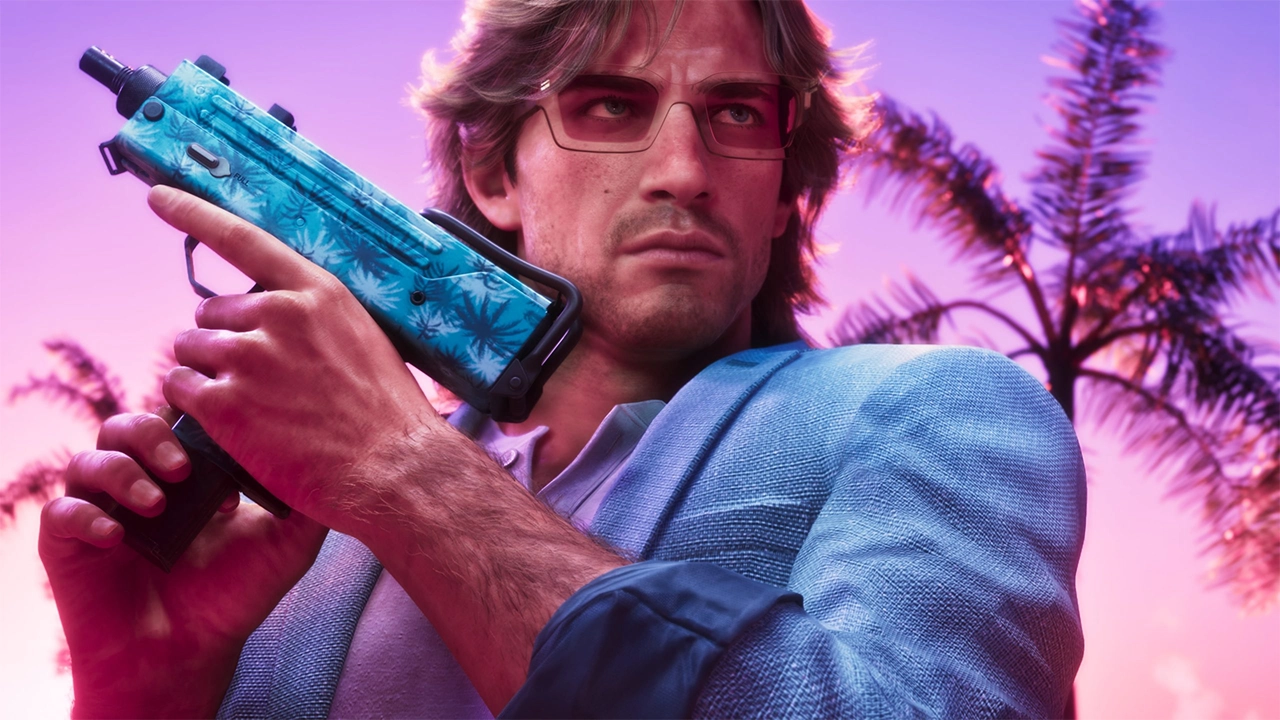
The key difference is architectural. GTA 5, however polished, remains built on foundations designed for the Xbox 360 and PlayStation 3. GTA 6 is described as a genuine step change for the RAGE engine rather than another iteration of an old core. Where GTA 5's characters still show a "waxy, plastic-like appearance" leaning on normal mapping, with subsurface scattering struggling to sell skin, GTA 6 delivers excellent diffuse and specular response and genuinely nuanced facial expressions. Clothing, too, is "clearly a generation apart" (Digital Foundry).
Hair: from a mass to strands
Hair gets its own paragraph. In GTA 5 it renders as an "undifferentiated mass"; in GTA 6, strand-based hair is used for main characters and even many NPCs, bringing realistic movement, secondary animation and better light diffusion. Digital Foundry calls the achievement "not just a step beyond GTA 5 but pretty much every title we've seen in this generation too" (Digital Foundry).
GTA 5 Enhanced as a testing ground
Lighting is where the two games connect. Digital Foundry sees GTA 5 Enhanced Edition as a trial run for the ray tracing Rockstar would deploy in GTA 6: its ray-traced reflections are impressive but constrained by the absence of a physically-based materials pipeline, leaving materials looking uniform. GTA 6, built from the ground up with modern PBR materials, makes surfaces like dusty cars or rough concrete react accurately to light (Digital Foundry).
RTGI yes, RT shadows no
On shadows and global illumination, the analysis finds a telling split: GTA 6 uses ray-traced global illumination extensively — with an environment that feels "lived in and consistent" rather than glowy — but appears to keep conventional shadow maps with high-quality variable penumbra instead of the super ray-traced sun shadows of GTA 5 Enhanced. The consistent thread, Leadbetter argues, is that a maxed-out GTA 5 Enhanced was ultimately "a proving ground for the technologies that were refined and polished to near perfection for GTA 6" (Digital Foundry).
What it means before launch
The feature also recalls a familiar caveat: the RAGE engine's peculiar animation judder, an artifact inherited from GTA 5 and Red Dead Redemption 2, is visible in GTA 6 gameplay too — a first. Minor blemishes aside, Digital Foundry's verdict is that Rockstar is "setting a new standard for real-time rendering within the constraints set to ninth-gen console hardware," and it will be interesting to see how PS5 Pro's extra horsepower mitigates the remaining visual trade-offs. GTA 6 launches November 19, 2026 on PS5 and Xbox Series X|S (Digital Foundry).
Why it matters
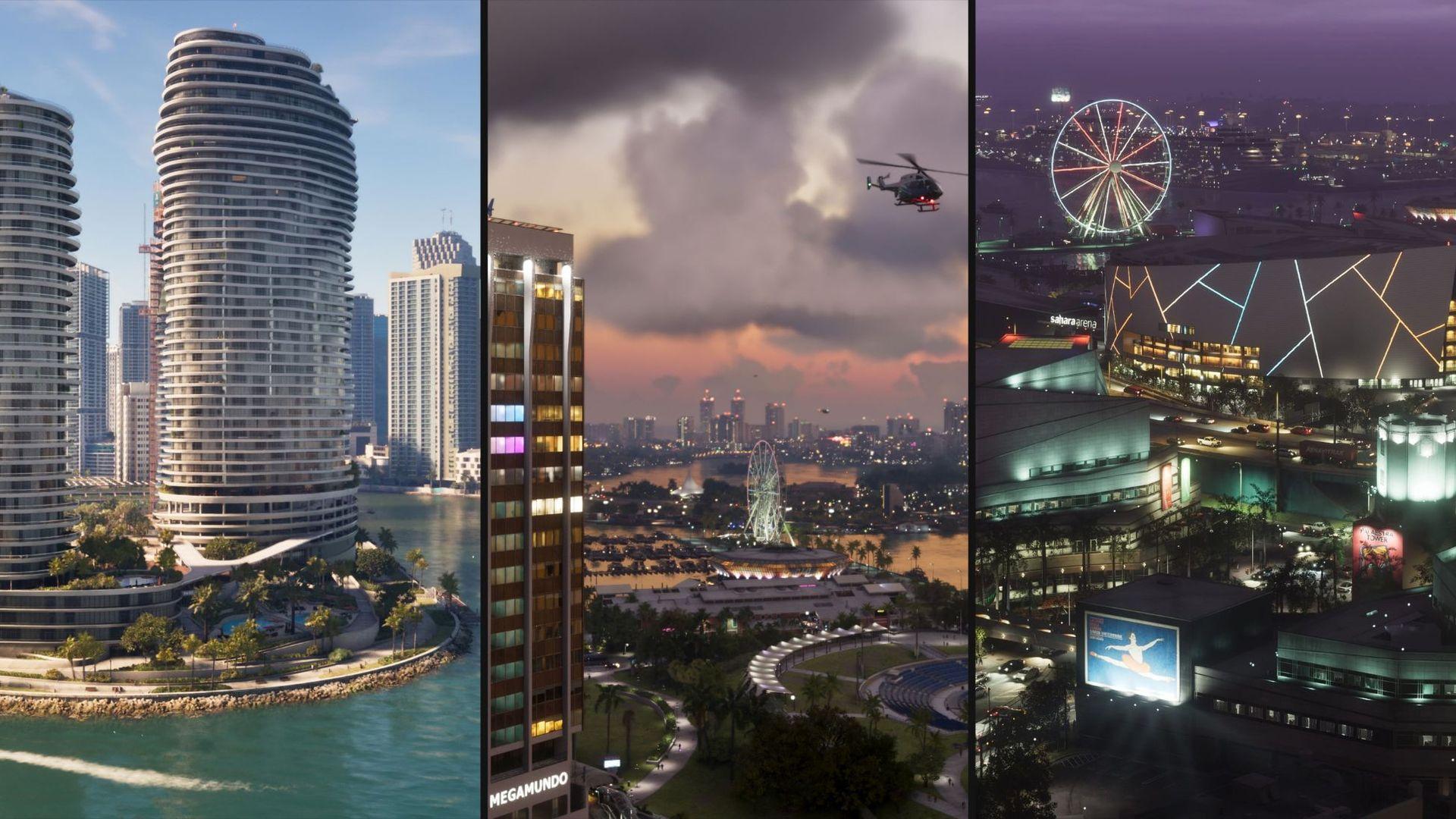
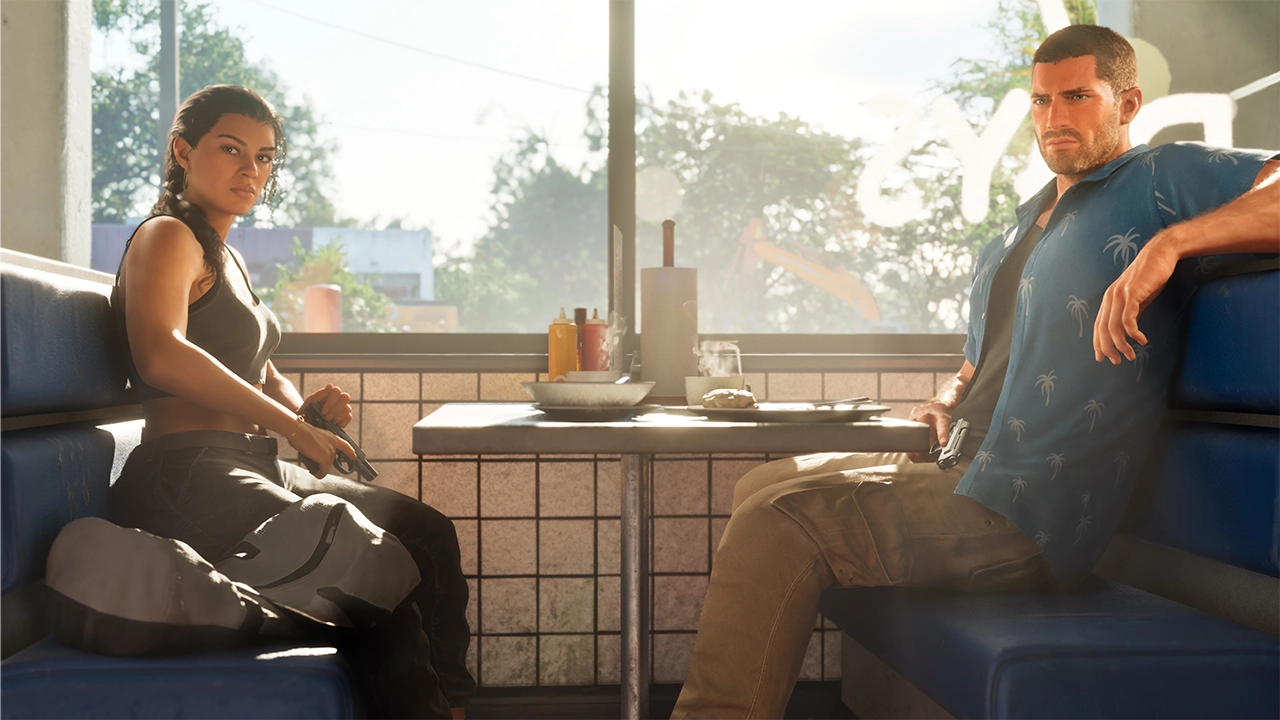
For players waiting on GTA VI, this comparison reframes what the wait is actually buying. It is not simply a newer version of the experience GTA 5 already offers on PS5 and Xbox Series X|S — it is a different technical baseline, from strand-based hair on main characters and many NPCs to a physically-based materials pipeline that lets surfaces react to light the way they should. That matters because Rockstar has already confirmed the game's setting and leads: the fictional state of Leonida, with Vice City as its main city, following Lucia and Jason. A more convincing world and more nuanced facial performance directly affect how those two characters and that setting come across.
It also fits what Rockstar has already confirmed about the release itself. GTA VI is developed by Rockstar Games and published by Take-Two Interactive, and it arrives on November 19, 2026 on PS5 and Xbox Series X|S — hardware that, per this analysis, is being asked to run technology a generation or two beyond a maxed-out GTA 5 Enhanced. The takeaway for anyone waiting is that the extra time is visible in the engine's foundations, not just in marketing.
FAQ
What is the difference between GTA 6 and GTA 5 Enhanced?
GTA 5 Enhanced is a polished version of a game whose foundations were designed for the Xbox 360 and PlayStation 3, while GTA 6 is described as a genuine step change for the RAGE engine. In practice that shows up in strand-based hair, accurate diffuse and specular response, and a physically-based materials pipeline. Digital Foundry characterises the gap as one or two generations.
When does GTA 6 come out?
GTA VI releases on November 19, 2026. It will be available on PS5 and Xbox Series X|S. Rockstar Games develops the game and Take-Two Interactive publishes it.
Why does GTA 5 Enhanced matter for GTA 6?
GTA 5 Enhanced is seen as a testing ground for technology Rockstar would later use in GTA 6, particularly ray tracing. Its ray-traced reflections are impressive but limited by the lack of a physically-based materials pipeline, which leaves materials looking uniform. GTA 6, built with modern PBR materials from the ground up, lets surfaces such as dusty cars or rough concrete react accurately to light.
How does ray tracing differ between the two games?
GTA 6 uses ray-traced global illumination extensively, producing an environment that feels lived in and consistent rather than glowy. It appears to keep conventional shadow maps with high-quality variable penumbra, rather than the ray-traced sun shadows found in GTA 5 Enhanced. The connecting thread is that a maxed-out GTA 5 Enhanced served as a proving ground for what GTA 6 would do at scale.