GTA: Tokyo was real — the PS2 Grand Theft Auto that nearly took the series to Japan
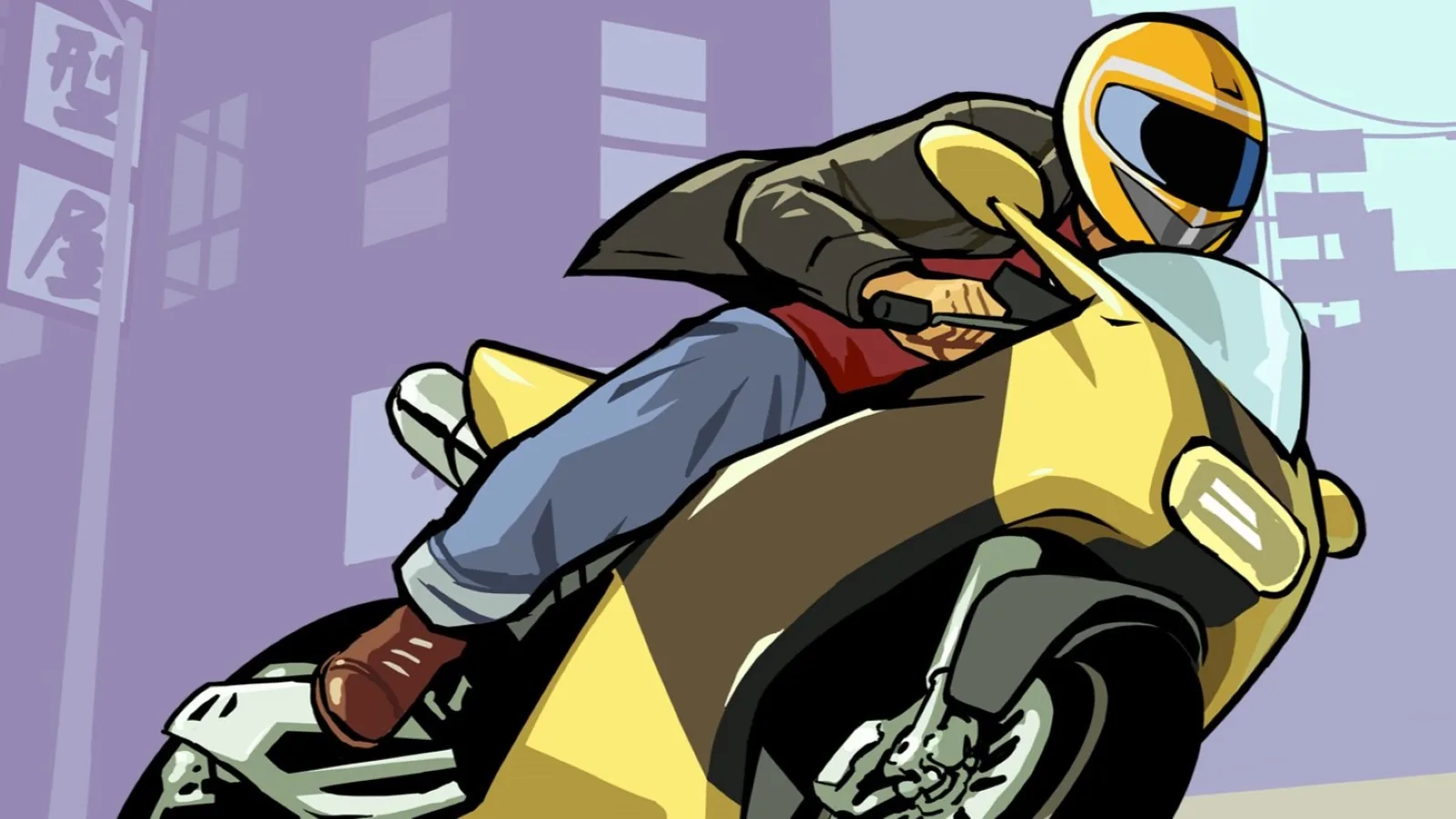
GTA: Tokyo was not a fan rumour: ex-Rockstar North technical director Obbe Vermeij confirms it would have been a GTA III-style open world set in Japan, with samurai swords as a core mechanic and Japan's street-racing culture as a pillar. The plan was to hand Rockstar North's technology to a Japanese studio, the same model used with Rockstar Vancouver on Bully. It died at the contract stage, and To
Yes, GTA: Tokyo was a real project
Grand Theft Auto almost left the United States for Japan. On September 18, Obbe Vermeij, former technical director at Rockstar North, gave new details on GTA: Tokyo, an open-world entry planned for the PlayStation 2 era and cancelled before production began. Speaking to Thunderpick, he described it plainly: "it was just going to be a GTA III-style game set in Tokyo." No prototype, no announcement, no release — but a project that existed on paper, with a setting, a development model and a gameplay hook.
The story is not new to Rockstar archaeologists: datamined references to a "Tokyo PS2" build have circulated since leaked Grand Theft Auto V files surfaced in 2023, and Vermeij had already confirmed that Tokyo was studied alongside other foreign cities. What changes here is the level of detail — how it would have played, who would have made it, and the exact point at which it stopped.
Samurai swords on a GTA III skeleton
The core idea was deliberately conservative. Rockstar intended to keep GTA III's structure — a city, a criminal ladder, a familiar control scheme — rather than reinvent the formula it had just made famous. Japan would supply the flavour, not a new genre.
"Samurai swords were going to play a big part," Vermeij said, describing melee combat as a defining element of the Tokyo pitch. The team also discussed leaning on Japan's street-racing culture, a natural fit for the vehicle handling Rockstar was already building. Despite the Yakuza's prominence in GTA III, the gang was not the reason for looking east: that faction had simply carried over from the first two games. The interest was in the country itself.
A Japanese studio, a Bully-style handover
The development plan was unusual for the era. Rather than build Tokyo internally, Rockstar wanted a Japanese studio to develop it using Rockstar North's technology and code — the same arrangement that produced Bully, made independently by Rockstar Vancouver after Take-Two acquired the studio then known as Barking Dog.
The rationale was cultural as much as commercial: local developers would capture the country more accurately, and the series had never matched its Western numbers in Japan. For Vermeij, a Japan-made GTA could win that audience first and only then be exported back west, as a "second-order effect". The project was driven mainly by Rockstar's New York office, with Rockstar North aware of the plans but never in direct contact with the proposed Japanese team. Sam Houser visited and discussed the concept; producer Leslie Benzies was more directly involved.
Rio, Moscow, Istanbul, London, Paris — the road not taken
Tokyo was not the only city toyed with. Vermeij's shortlist also included Rio de Janeiro, Moscow, Istanbul, London and Paris. Tokyo was simply the most serious of them — the one that got far enough to have a gameplay identity and a staffing plan — and it still stopped at the same wall. "The contracts were never signed," he said. "It just never got to the production stage." Around the same period, Rockstar registered trademarks that never turned into games, including GTA: Bogota and Sin City.
Why a modern GTA won't leave America
The interview lands two months before GTA VI arrives on November 19, 2026, and it doubles as an answer to why Rockstar keeps returning to the same country. Vermeij has argued that the series is effectively "stuck" with American settings: the United States' exaggerated culture is easier to parody and instantly readable worldwide, where a foreign city adds translation risk on top of design risk. Money settles the rest — he estimates a contemporary Grand Theft Auto can cost in the region of $2 billion, which makes an untested setting, built by an external studio, a bet nobody at Take-Two is likely to sign off on. The only time the franchise genuinely crossed an ocean was GTA London in 1999, and that was a pair of expansions for a top-down game, not a mainline entry.
So Tokyo remains what it has always been: a well-documented "what if" — this time with gameplay notes attached.