Six months inside a GTA roleplay server: the players running their own elections in Los Santos

New research from the University of Leeds documents GTA V roleplay servers running their own elections, town-hall votes and candidate debates, with the researcher spending six months living in-game as her avatar 'Alice'. The most striking finding: players who skip elections in real life argue, vote and legislate inside Los Santos. Politics in GTA has become a player creation as much as a Rockstar
The short answer
Grand Theft Auto players are voting, debating and legislating — not in the story Rockstar wrote, but in the online roleplay servers they built themselves. That is the finding of new research by Emma Brewis, a PhD candidate at the University of Leeds' School of Politics and International Studies, published in The Conversation on September 22, weeks before GTA VI arrives.
Six months as "Alice"
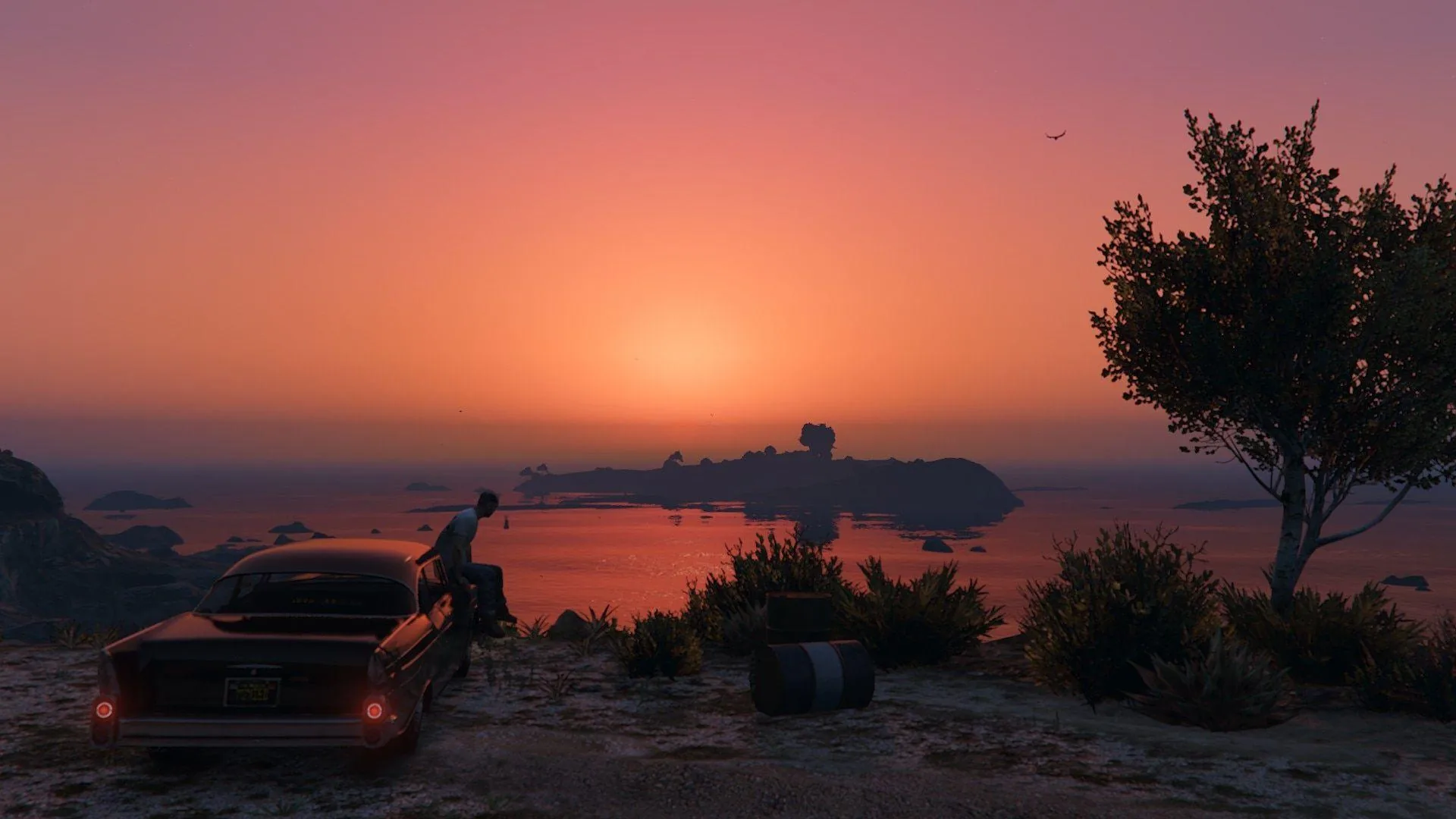
To study it, Brewis went native. For six months she lived as her avatar "Alice" on GTA V roleplay servers — learning the rules, working jobs, attending events, becoming a reporter and eventually marrying a gang leader. Logging in for a four- or five-hour session, she writes, came to feel like returning to a familiar city rather than starting a game. In these spaces players run full lives: cleaning jobs, Alcoholics Anonymous meetings, weekly church services led by an in-game minister.
The engine of all of it is proximity voice chat — you hear other players only when your character stands near theirs. That single design choice turns a sandbox into a continuous improvised drama, and a drama eventually needs rules.
Town halls, "ayes" and "noes"
Where servers needed to settle disputes, players invented government. Some ran town hall votes on the issues that mattered — expanding police powers, for instance — borrowing the UK Parliament's division lobby of "ayes" and "noes". Others went further: an elected governor and legislative branch, standing government departments, a legislature that introduces and debates laws, and a judicial system to arbitrate.
Brewis took part in one server's biannual election and voted at city hall. The format would be recognisable to anyone who has followed a real campaign: candidates gave opening statements, took questions from a moderator, then faced the audience. One question asked how they would write a bill — a test set by a former member of that server's government — while another asked where they stood on the death penalty. Voting meant walking to city hall and ranking preferences on a ballot paper.
The 26-year-old who votes in Los Santos, not at home
The most striking detail is not the machinery but who operates it. One participant, a 26-year-old man from the UK, told Brewis: "No, I don't vote … I thought about it a couple of times but … I don't know what actually goes on, I don't know what they're doing." Inside the server, the same man was an enthusiastic participant in political discussion and decision-making.
That gap is the point of the paper. Offline, dissatisfaction with politics is high, trust in politicians is low and turnout keeps falling. Online, in a fictional Florida stand-in built on crime and satire, players spend their evenings debating candidates, negotiating rules and voting. In this server, at least, the fictional setting did not make the participation fictional.
What it means for GTA VI
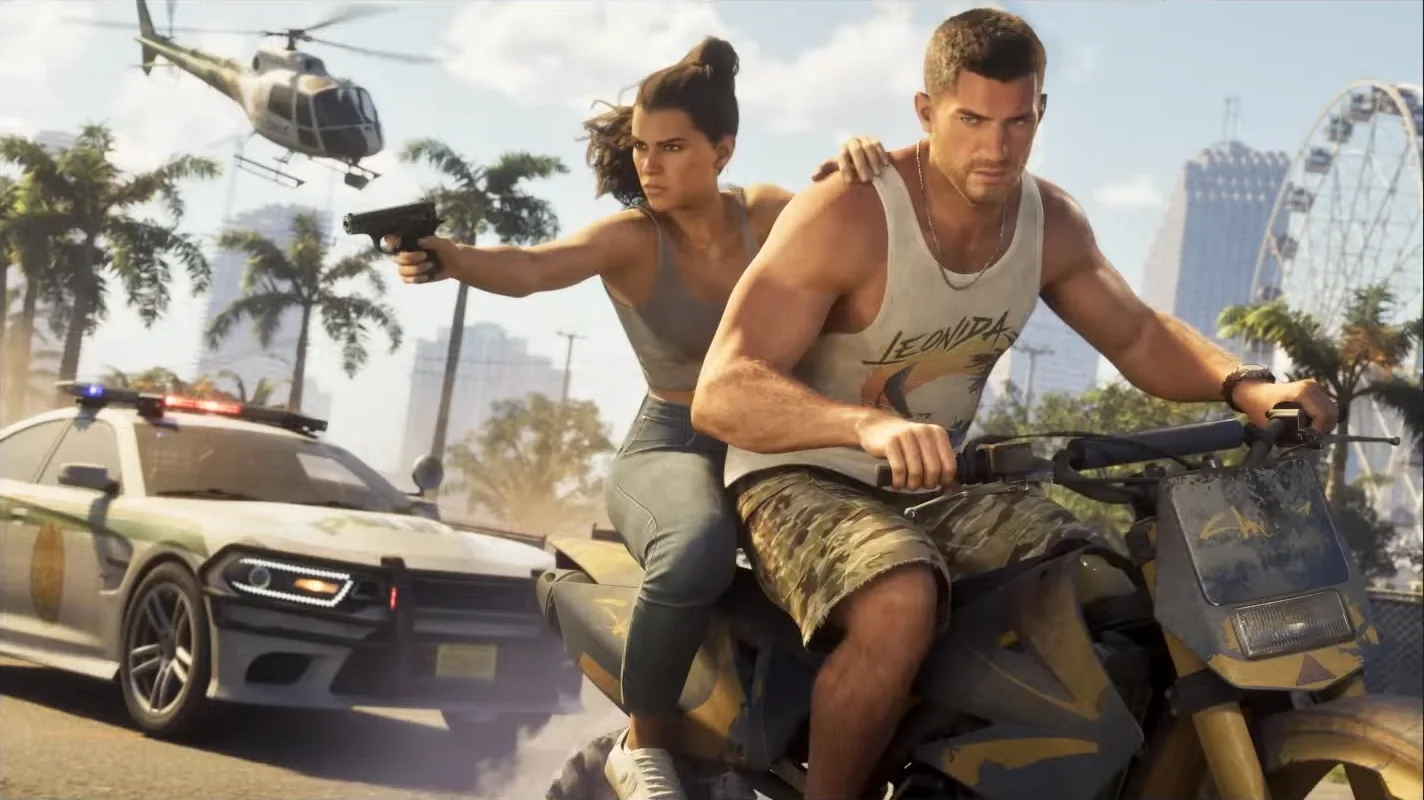
Rockstar's own instinct has been to sidestep the present: the studio has kept GTA VI free of references to Donald Trump and COVID. Brewis argues that this is only half the picture. Rockstar decides which political subjects ship with the game; once millions of players enter GTA VI's online worlds, they bring their own ideas, communities and ways of organising with them.
Her conclusion reframes the usual debate about the series. The question is no longer whether GTA VI will be political, but what players will build with the political space it hands them. GTA VI launches on November 19, 2026 on PS5 and Xbox Series X|S.